What to Do When Your CNC Machine Goes Down
Share Post
What to Do When Your CNC Machine Goes Down
The First 60 Seconds After a CNC Machine Failure
A CNC machine going down mid-production is one of the most disruptive events on a shop floor. The instinct to restart immediately and hope the fault clears is understandable — but it is also one of the most common ways a minor fault becomes a major repair requiring professional CNC repairs and troubleshooting.
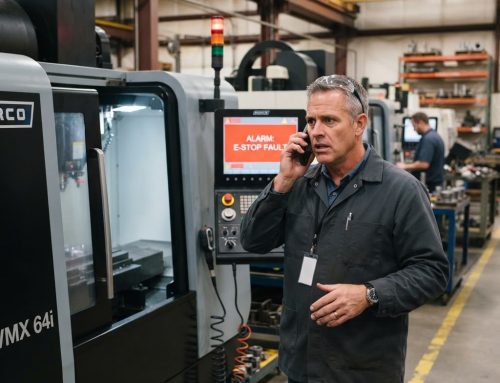
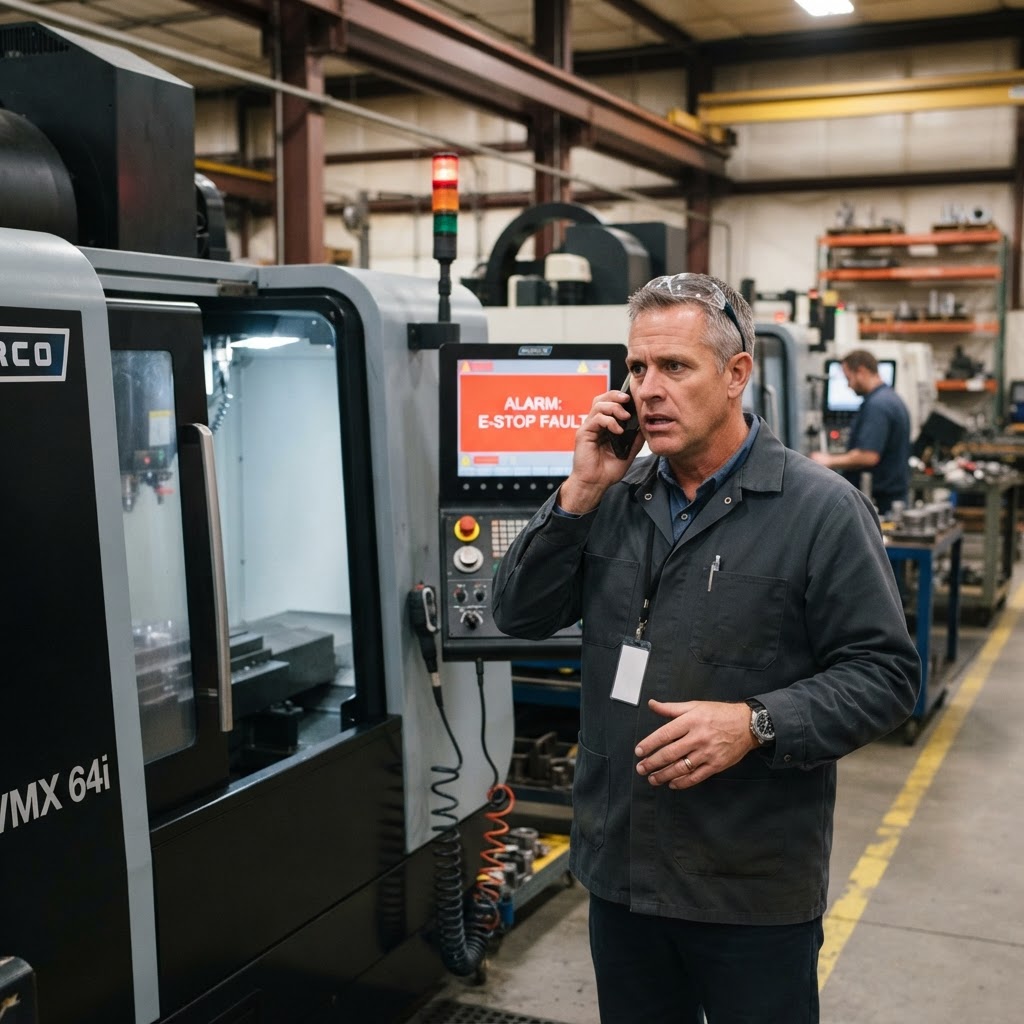
The first thing to do is stop. Power down the machine safely, document the fault code or alarm displayed on the controller, and do not attempt to clear it until you understand what triggered it. The fault code is diagnostic data. Losing it by cycling power prematurely can add hours to the diagnosis process.
Document the Fault Before Touching Anything
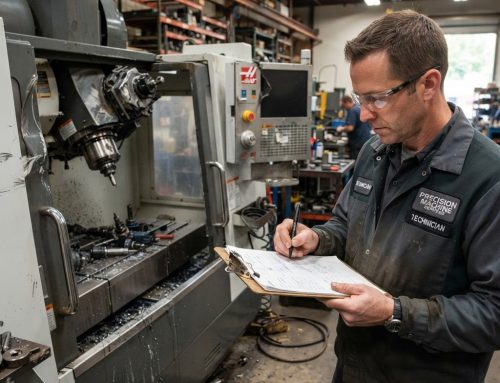
Take a photo or write down every alarm number, error code, and any unusual behavior the machine exhibited before stopping — abnormal sounds, vibration, axis drift, overheating, or unexpected axis movement. This information is the first thing a CNC technician will ask for, and having it ready shortens the service call significantly.
If your machine has a maintenance log, note the last scheduled service date, any recent repairs, and any changes to tooling, programming, or workholding that preceded the failure. Patterns in failure timing often point directly to root causes.
Assess Whether It Is Safe to Attempt a Restart
Not every fault requires a technician. Some alarms — low lube pressure, door interlock, or air pressure alerts — are safety triggers that reset once the underlying condition is corrected. These are designed to be operator-resolved and your machine manual will identify them clearly.
Faults involving axis drives, spindle alarms, servo errors, or any alarm indicating electrical or mechanical damage should not be reset without technician diagnosis. Forcing a restart under these conditions risks further damage to drives, encoders, or mechanical components — and escalates the repair cost substantially.
Call a Certified CNC Technician Immediately
If the fault is not a simple safety interlock, the next step is calling a certified CNC repair technician. You can contact our CNC technicians directly to resolve the issue. According to research shared by the Association for Manufacturing Technology, unplanned downtime can cost manufacturers thousands of dollars per hour, making immediate action critical. Time matters — every hour of unplanned downtime is a direct production loss. An experienced technician can often narrow the root cause to a component family based on the fault code and symptoms before they arrive on site.
When you call, have ready: the machine make and model, the controller type and version (found on the controller nameplate), the exact fault codes displayed, a description of what the machine was doing when it failed, and any recent changes to the machine or programming. This information allows the technician to arrive with the right diagnostic tools and likely replacement components.
Communicate the Downtime to Your Production Team
While waiting for the technician, inform your production scheduler, operations manager, and any customers expecting parts from this machine. Early communication gives your team time to reroute work, adjust schedules, and manage customer expectations — all of which reduce the downstream cost of the downtime event.
If you have a spare machine capable of running the affected part, now is the time to evaluate that option. If not, a trusted CNC repair service with a fast response time is your fastest path back to production.
What Happens During an On-Site Diagnosis
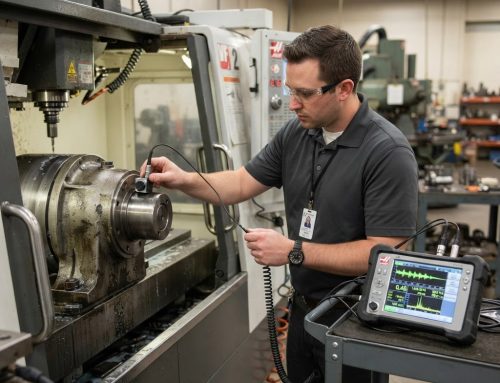
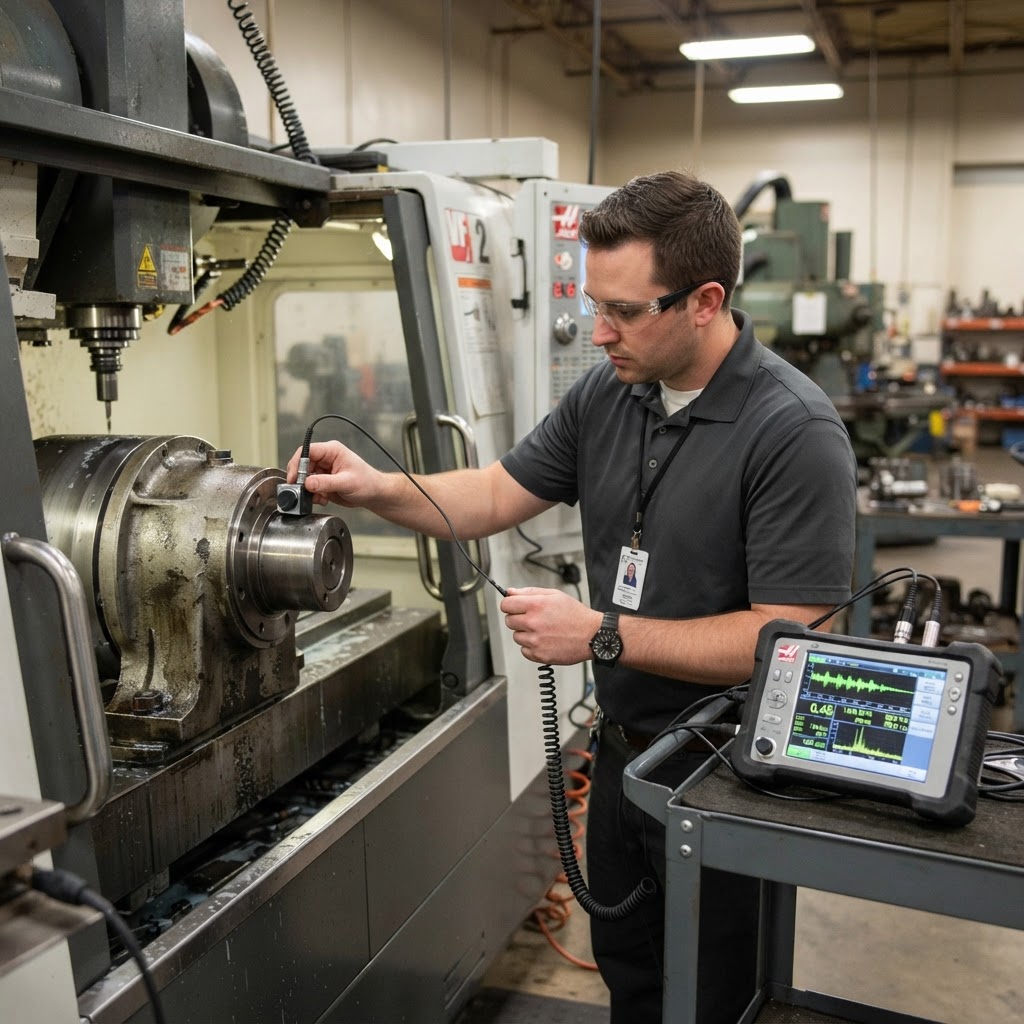
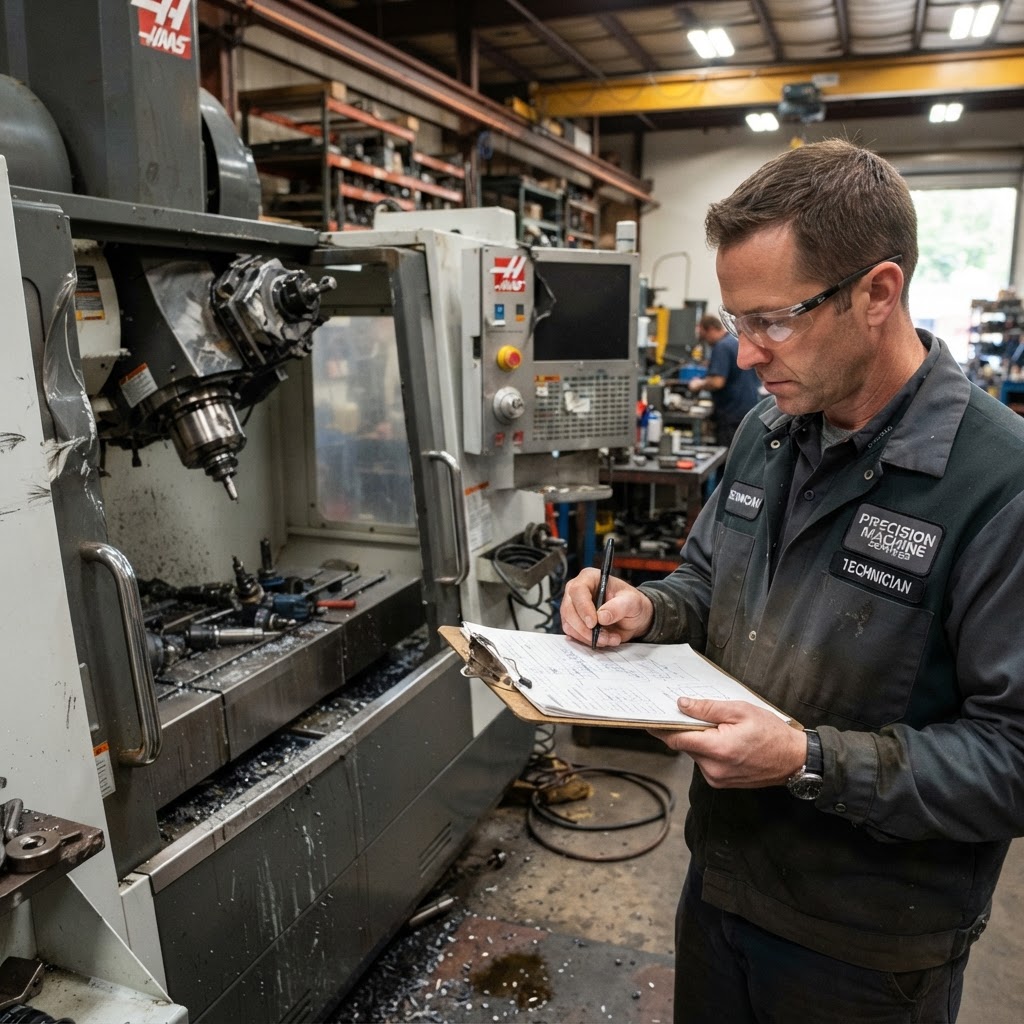
When a certified technician arrives, they will perform a structured diagnostic sequence: reviewing the fault history, testing axis drives and encoder feedback, checking power supply voltages, inspecting mechanical components for wear or damage, and identifying whether the fault is electrical, mechanical, or control-related.
A professional technician will not start replacing parts based on guesswork. They will identify the root cause, explain the findings clearly, and provide a written quote before any repair work begins. You should expect transparency at every step.
Preventing the Next Failure with a PM Program
After the immediate repair, the most valuable step you can take is scheduling a review or enrolling in a comprehensive preventative maintenance program. Most unplanned CNC failures have early warning signs that a trained technician would catch during a routine inspection — worn bearings, degraded lube levels, loose connections, or encoder drift that have not yet triggered a fault.
In-House CNC Service offers customized PM programs for Southern California manufacturers designed around your machine’s usage, brand, and production schedule. One PM visit can identify and resolve multiple developing issues before any of them stop your production line.