CNC Machine Insurance Claims: How Repair Services Can Help
Share Post
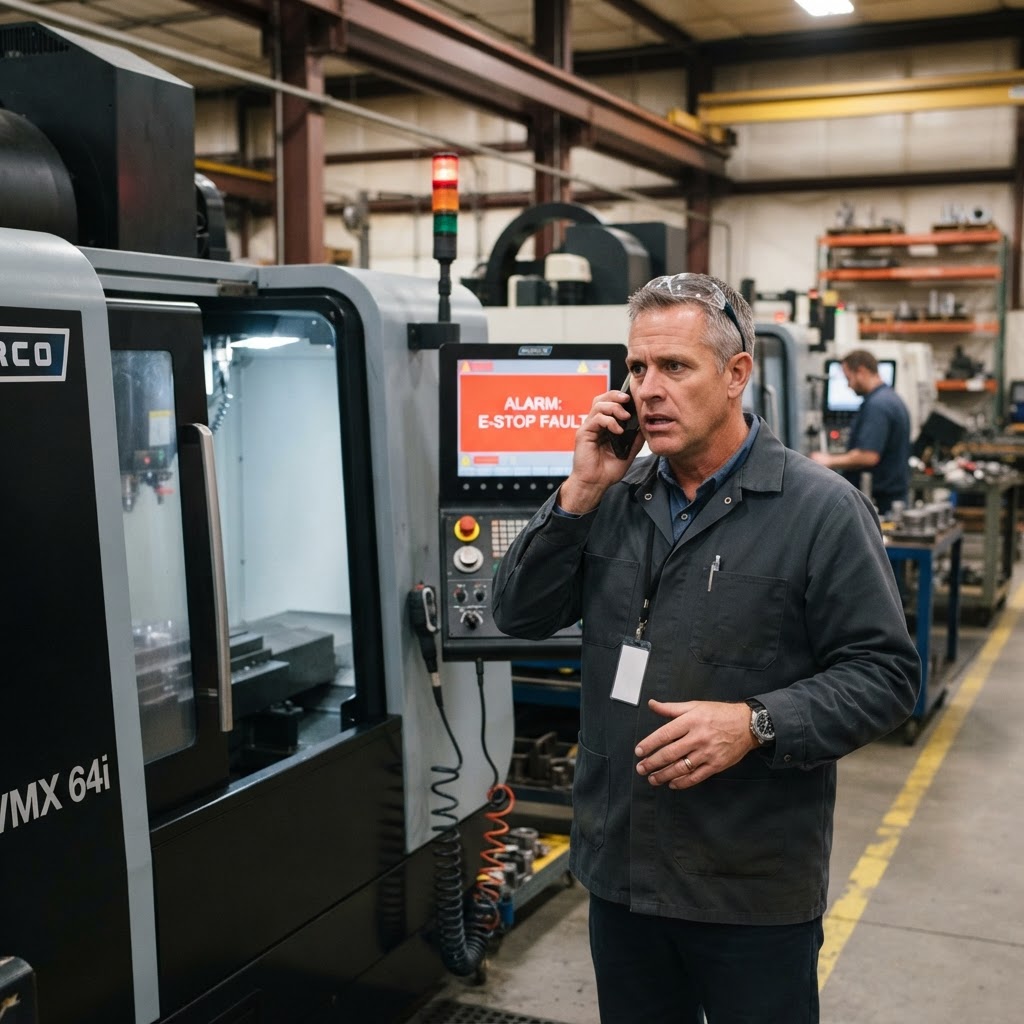
In the high-stakes world of precision manufacturing, a sudden and severe CNC machine failure can feel like a devastating blow. Whether it’s a high-speed spindle crash, a catastrophic power surge from a Southern California summer storm, or severe physical damage caused by an environmental incident, the costs can pile up in seconds. Beyond the eye-watering expense of replacement parts and specialized labor, there is the compounding loss of operational revenue and the threat of missed deadlines.
Fortunately, many machine shops carry comprehensive equipment breakdown or commercial property insurance designed to cover these exact scenarios. However, filing a CNC machine insurance claim is vastly different from filing a standard auto or commercial building claim. Insurance adjusters are rarely familiar with the intricate mechanics of a multi-axis horizontal machining center or a twin-spindle turning center. To secure the payout you deserve, you must present an airtight, technically precise, and professionally verified case.
In this article, we examine when CNC damage qualifies for insurance coverage, what documentation is required, and how partnering with In-House CNC Service LLC for a detailed repair report and professional assessment can make or break your insurance claim.
The Financial Reality of Machinery Accidents
Modern high-performance CNC machinery is a significant capital investment. A state-of-the-art 5-axis vertical machining center or multi-tasking mill-turn center can easily cost between $150,000 and over $500,000. When a major incident occurs, the repair costs alone can run into tens of thousands of dollars. Spindle cartridge replacement, precision laser alignment of the linear guideways, replacing damaged ball screws, and sourcing proprietary main system boards can quickly threaten a small-to-medium-sized machine shop’s cash flow.
This is where specialized industrial insurance policies, such as Equipment Breakdown Coverage (often called Boiler and Machinery Insurance) and Commercial Property Insurance, play an indispensable role. These policies are designed to protect manufacturers from sudden, accidental, and catastrophic physical damage. However, because the sums involved are so high, insurance carriers will scrutinized every claim with extreme care. They will look for any indication that the failure was due to ordinary wear-and-tear, poor maintenance, or pre-existing conditions so they can deny the claim. To protect your investment, you must approach the claims process with the same level of precision and detail that you apply to your machining operations.
What Qualifies for a CNC Machine Insurance Claim?
Not every CNC machine failure is eligible for insurance coverage. Understanding the boundaries between standard wear-and-tear and an insurable event is crucial before starting the claims process.
- **Crash and Collision Damage:** If an operator error, G-code glitch, or physical part failure causes a violent collision (e.g., a spindle ramming into a heavy steel fixture at rapid traverse), the resulting damage to the spindle bearings, ball screws, linear guides, and casting structural integrity is typically covered under “accidental damage” or “equipment breakdown” policies.
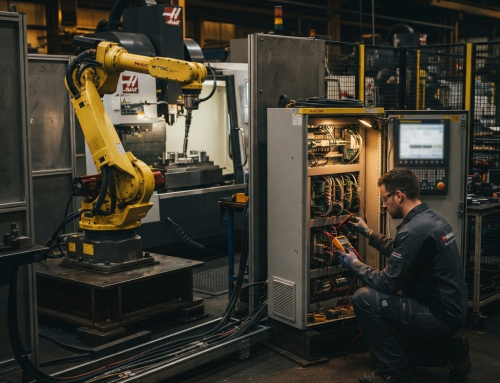
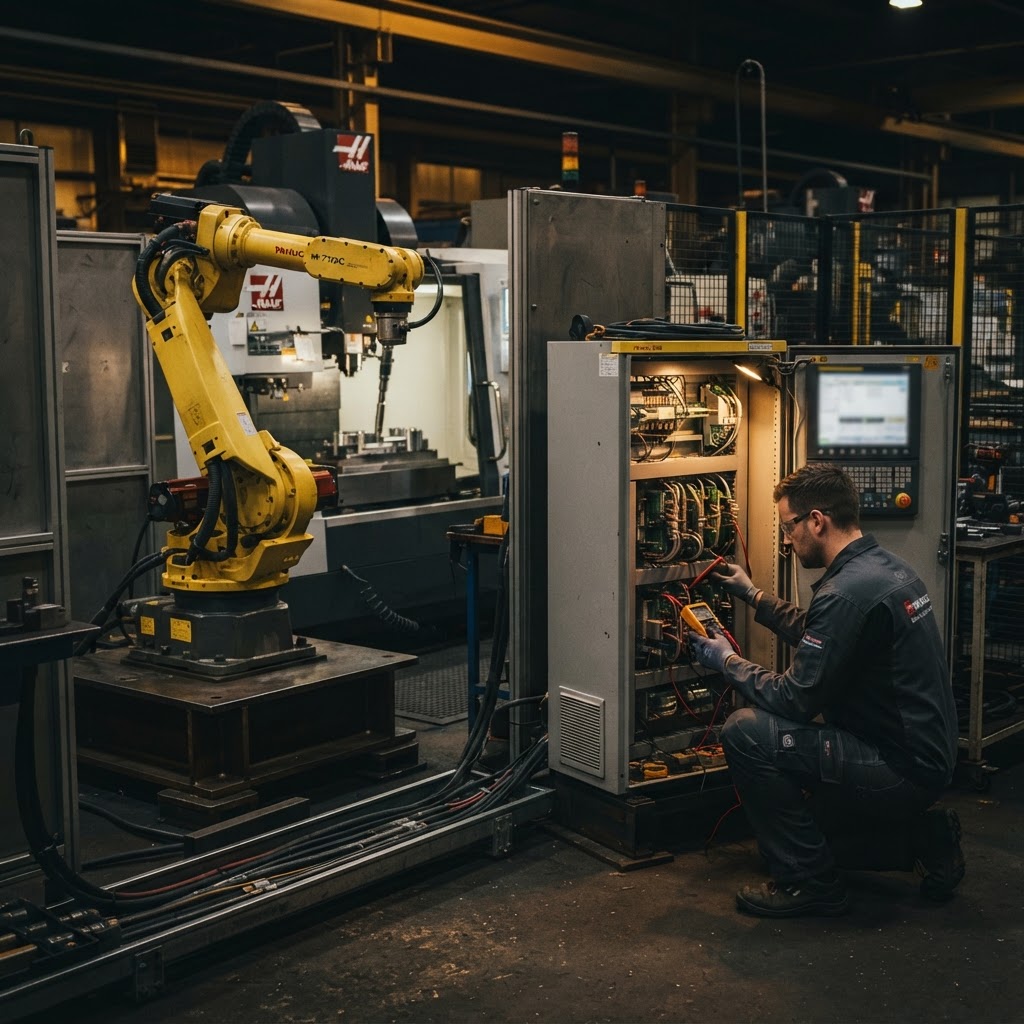
- **Power Surges and Electrical Anomalies:** Sudden voltage spikes, lightning strikes, or phase failures can instantly fry sensitive CNC control boards, axis drives, power supply units, and feedback encoders. Because these are external, sudden events, they are highly eligible for claims.
- **Environmental and Natural Disasters:** Flooding, fires, roof leaks dripping directly onto electrical cabinets, and earthquake-induced physical shifts are standard insurable events under commercial property policies.
- **Vandalism or Theft:** Physical damage inflicted intentionally or stolen components (such as copper wiring or expensive tooling packages) are covered under standard commercial hazard policies.
*Note: General wear-and-tear, lack of routine preventative maintenance, and gradual degradation (such as a slowly wearing spindle bearing over five years) are not covered by insurance. Your claim must point to a specific, sudden, and accidental incident.*
The Anatomy of a Successful CNC Insurance Claim: Essential Documentation
When an insurance adjuster receives a claim for a $50,000 CNC repair, their primary goal is to verify that the incident actually occurred, that the damage was a direct result of that incident, and that the repair costs are fair and accurate. To satisfy these requirements, you must compile a robust documentation package:
- **The Incident Log:** A formal record of the exact date, time, machine operator, active program line, and immediate physical symptoms observed during the failure.
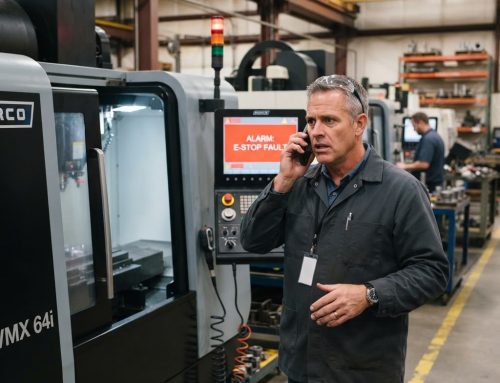
- **Photographic and Video Evidence:** High-resolution photos of the impact site, broken tooling, damaged workpieces, fractured castings, burnt circuit boards, and the specific alarm code screens on the controller.
- **Internal Control Logs:** Modern CNC controls record extensive history data, including crash sensors, torque overloads, and diagnostic alarm sequences. Exporting these logs provides indisputable digital proof of the incident.
- **Maintenance History:** Proof that the machine was in good working order prior to the incident. If you cannot prove you maintained the machine, the insurer may argue the failure was due to pre-existing wear.
- **The Professional Diagnostic Report:** This is the cornerstone of your claim—an independent, expert assessment detailing the scope of the damage and the necessary steps to restore the machine to OEM specifications.
The Danger of Vague Claims: Why a “Simple Estimate” Fails
Many machine shop owners make the mistake of calling their insurance agent and sending a one-line repair quote from a general contractor or a vague description of the problem. This is a recipe for a delayed or denied claim. Adjusters are trained to look for specific language. If they see a quote that says “Repair CNC machine – $18,500,” they have no way of verifying what was damaged, why it was damaged, or if the pricing is fair.
Furthermore, adjusters will often try to apply heavy depreciation to the parts, claiming that because your machine is ten years old, the damaged spindle was already near the end of its life. An expert, detailed forensic report from In-House CNC Service LLC completely preempts these tactics by proving the precise mechanical state of the machine and demonstrating that the damage was a direct, immediate consequence of the insurable event rather than long-term wear.
How In-House CNC Service LLC Supports Your Claim
As an independent, highly respected CNC repair authority in Southern California, In-House CNC Service LLC plays a vital role in securing a favorable insurance outcome for our clients. When you contact us following an insurable incident, we don’t just fix the machine—we build your case.
#
1. Independent Technical Forensic Assessment
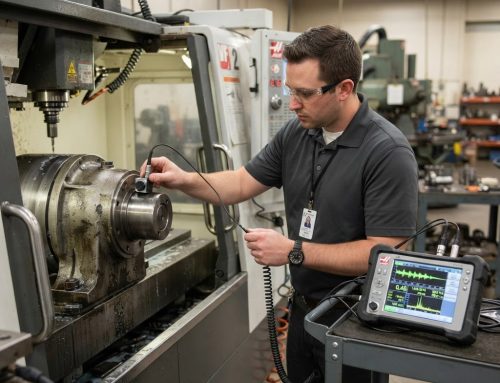
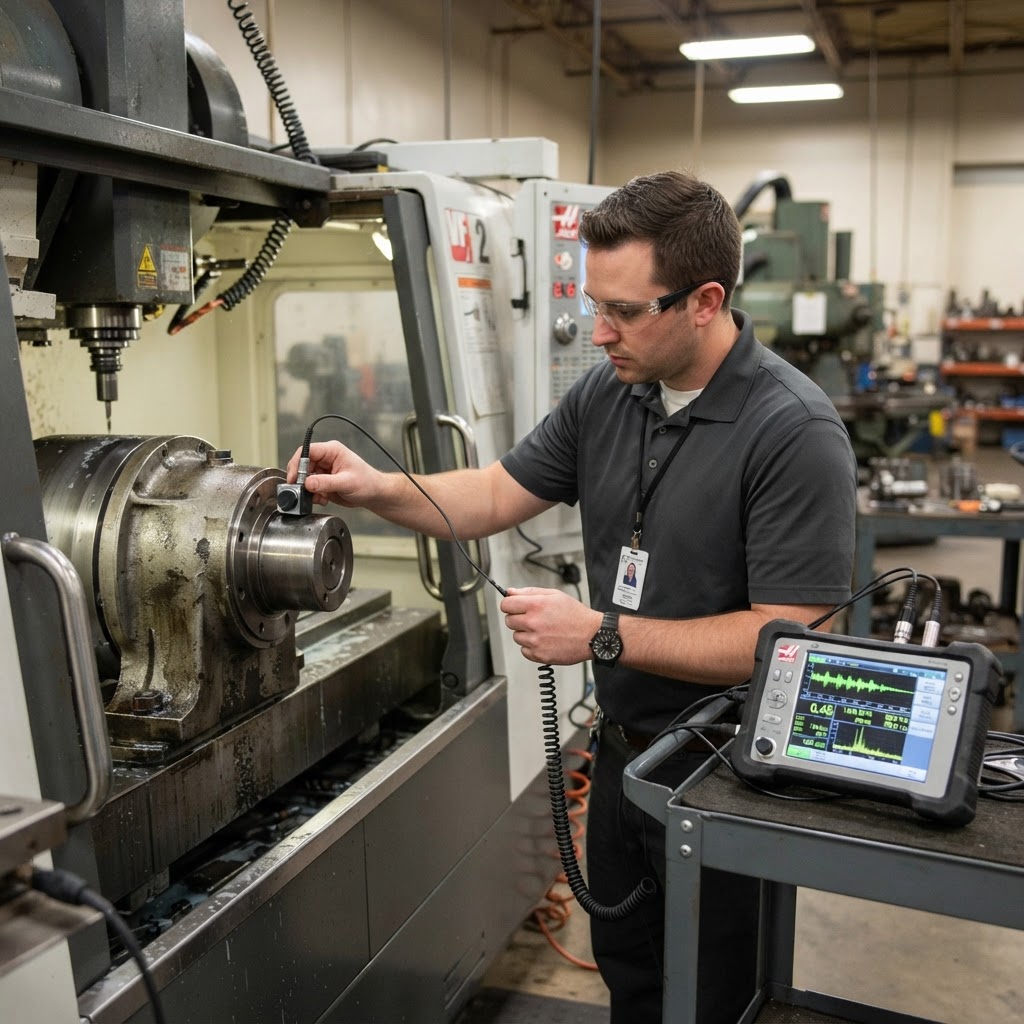
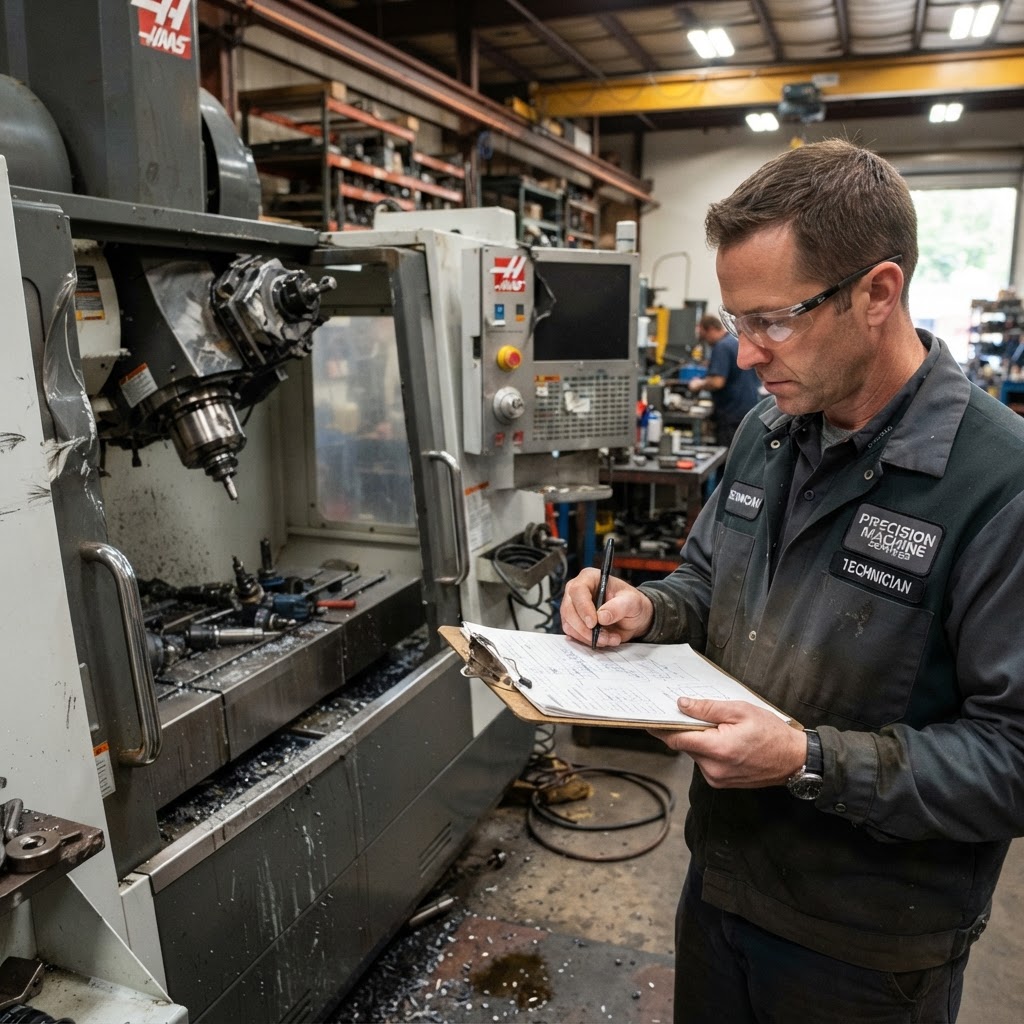
Our lead specialist, Jason Wutzke, will conduct a meticulous on-site physical and electronic inspection of the damaged machine. We translate complex mechanical failures into clear, objective technical reports. We state precisely what failed, how it failed, and why the physical evidence matches the reported incident (e.g., demonstrating how a sudden surge fried the optical isolation boards or how an axis collision deformed the ball screw nut).
#
2. Comprehensive Line-Item Repair Estimates
Insurance adjusters cannot work with vague estimates like “replace spindle – $30,000.” They require transparent, detailed line-item breakdowns. In-House CNC Service LLC provides comprehensive proposals detailing:
- Sourcing and pricing for OEM or certified replacement parts (drives, motors, ball screws, bearings).
- Precision machining and grinding services (if rebuilding components).
- Exact labor hours for disassembly, installation, geometry alignment, and final laser calibration.
- Travel and shipping costs.
#
3. Rebuild vs. Replace Analysis
In severe cases, the cost of repairing a damaged CNC machine may approach or exceed its Actual Cash Value (ACV). We provide objective, professional opinions on whether the machine is a candidate for a precision on-site rebuild or if it should be declared a total loss. This level of professional authority prevents insurers from underpaying or insisting on cheap, inadequate patches.
Real-World Example: Sourcing the Paper Trail for a Major Claim
Let’s look at how a professional paper trail saved a Southern California shop from a massive financial hit. A manufacturing facility in Riverside County experienced a sudden power surge during a local electrical grid malfunction. The surge bypassed their external regulators and fried three axis drives and the main CPU board of their main horizontal machining center.
The insurance adjuster initially denied the claim, stating that the electronic components simply reached their natural end-of-life cycle. The shop owner brought in In-House CNC Service LLC. Jason Wutzke conducted a forensic electrical audit, documenting:
- Burn marks and ruptured capacitors on the internal drive boards, which is a classic physical signature of high-voltage spike damage, not thermal wear.
- The exact time of the digital control log error matching the utility company’s reported power grid fluctuation.
- Verification that the machine’s surge protection system had been properly maintained and inspected as part of the shop’s preventative maintenance program.
Presented with this detailed, expert forensic report, the insurance carrier completely reversed their decision, paying out the full $32,000 required to completely rebuild the control cabinet and restore the machine to full production.
Working with Equipment Insurance Adjusters
Once your claim is submitted, the insurance company will likely assign an adjuster or an independent machinery appraiser to review the file. Here is how to navigate this phase smoothly:
- **Speak the Right Language:** Avoid highly speculative jargon. Stick strictly to the physical and electronic evidence compiled in the In-House CNC Service LLC report.
- **Coordinate an On-Site Meeting:** If the adjuster wants to inspect the machine in person, arrange for our technician to be present. Having a CNC expert on-site to walk the adjuster through the physical damage, point out hidden cracks in linear guides, and explain why a spindle must be balanced ensures nothing is overlooked or minimized.
- **Keep Salvage Parts:** Do not discard any damaged parts or burnt boards until the claim is completely resolved and paid out. The insurance company has the legal right to inspect or claim these salvaged components.
Conclusion: Trust the Experts to Restore Your Shop
Recovering from a catastrophic CNC machine failure requires a dual approach: high-end technical repairs to restore your machine’s precision, and professional administrative support to secure your insurance funding.
If your facility has suffered a CNC machine crash, electrical surge, or environmental damage, do not face the insurance company alone. Contact In-House CNC Service LLC at (951) 540-4820 today. We will dispatch an expert to evaluate your machinery, document the damage, write a bulletproof technical report for your adjuster, and execute the precision repairs needed to get your spindle spinning again.