On-Site CNC Repair vs. Sending Your Machine Out: What’s the Real Cost?
Share Post
The High-Stakes Decision of CNC Machine Failure
n
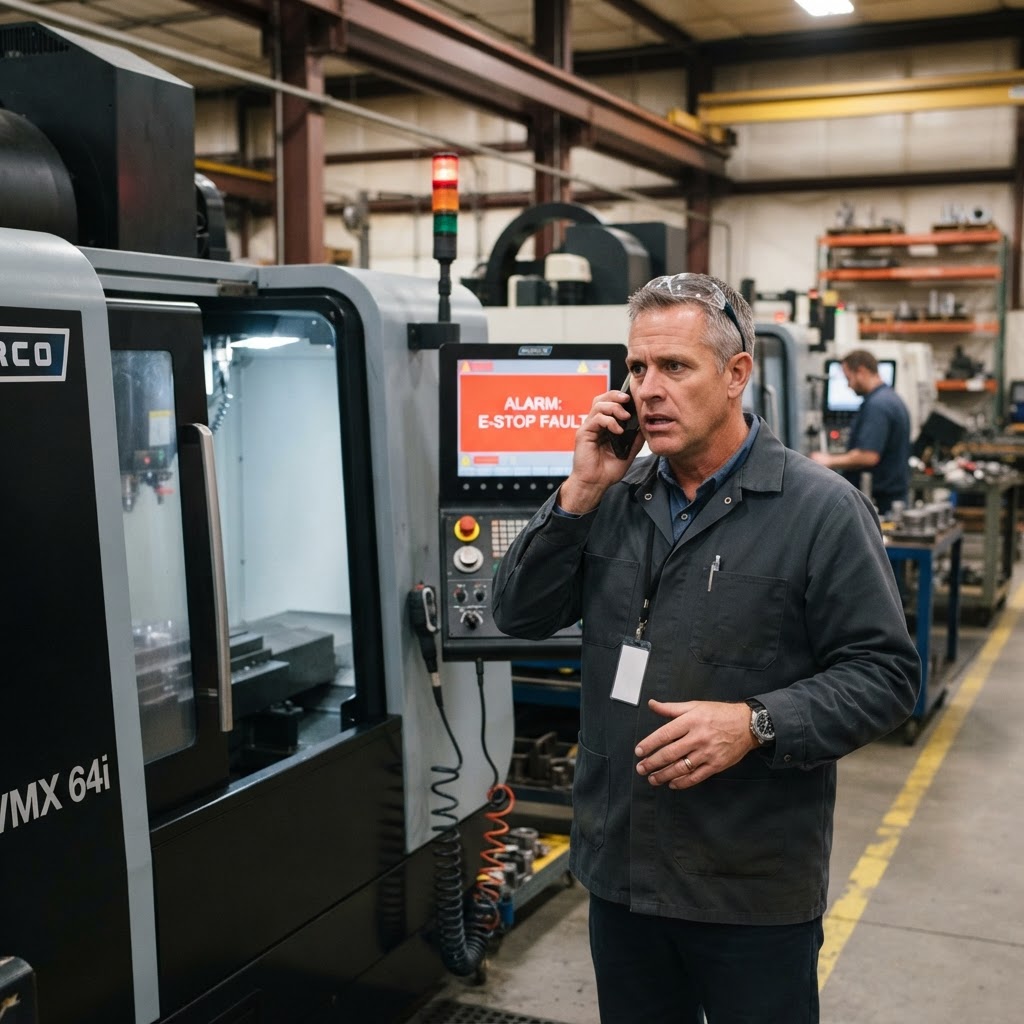
When a CNC machine center fails, the clock starts ticking immediately. For machine shop owners, managers, and production coordinators across Southern California, a down machine is a high-stakes crisis of the highest order. Every hour the machine stands idle is an hour of lost output, delayed shipments, and mounting financial pressure. Your operators are unproductive, your production schedule is thrown into complete chaos, and your clients are demanding answers. In this highly stressful environment, a fundamental question must be answered immediately: Should you use on-site CNC repair, or should you ship the machine, spindle, or component out to a centralized repair facility?
n
At first glance, sending a component or the entire machine out might seem like a controlled, safe choice. However, when you calculate the true, fully loaded cost of shipping, rigging, and downtime, the financial balance swings heavily in favor of high-quality, professional on-site repair. In this article, we will break down the real costs associated with sending a machine out versus repairing it on your shop floor, helping you make the most cost-effective and efficient decision for your business. We will examine the hidden costs, long-term implications, and strategic advantages of keeping your machinery in your own facility under the care of a trusted local specialist.
n
Manufacturing in Southern California is subject to tight margins and strict delivery windows. A single day of lost production can disrupt a supply chain and lead to missed shipping targets. When you are deciding how to repair your critical production equipment, you must consider every variable: transportation logistics, structural risks during transit, specialized rigging labor, administrative overhead, and the long-term wear and tear associated with de-installing and re-installing heavy industrial machinery. In the following sections, we will explore these variables in detail to give you a complete, transparent view of the true cost of off-site repair.
nn
Analyzing the True Costs of Sending a Machine Out
n
Many shop managers make the mistake of comparing only the direct quote of an in-shop repair with the direct quote of an on-site technician. This narrow comparison completely ignores the massive logistics, rigging, and operational expenses associated with shipping a machine out of your facility. Let’s look at the actual elements that comprise an off-site repair:n
- n
- Rigging and De-installation: CNC machines are massive, heavy, and incredibly precise pieces of industrial equipment. You cannot simply unplug them and put them on a standard delivery truck. You must hire professional machinery riggers to disconnect the electrical mains, isolate pneumatic and hydraulic lines, level down the machine, and physically move it out of your facility. Rigging costs alone can run several thousand dollars just for the move-out, and the same amount again for the move-in. This does not include the administrative cost of coordinating with riggers.
- Heavy Freight Transport: Shipping a machine that weighs anywhere from 5,000 to over 30,000 pounds requires specialized flatbed transportation, heavy-duty securing, and often expensive oversize load permits. If you are sending it across the state or the country, freight charges can add an enormous premium to your repair bill. Additionally, shipping heavy equipment exposes you to fuel surcharges and fluctuating transport rates.
- Transit Risk: The moment a precision CNC machine is loaded onto a truck, it is exposed to road vibrations, weather, and potential transport damage. Rough transit can misalign linear guides, damage delicate control cabinets, and shift internal cast iron castings, leading to unexpected repair issues upon arrival. If the machine is damaged in transit, you face complex insurance claims and even longer production delays.
- Centralized Repair Lead Times: Once the machine arrives at a centralized depot, it sits in a queue behind dozens of other repairs. You have zero control over their scheduling, and you are entirely at the mercy of their backlogs. This can turn a simple repair into a weeks-long nightmare, leaving your primary production line empty and quiet while your overhead costs continue to pile up.
n
n
n
n
n
nn
The On-Site CNC Repair Alternative: Minimizing Logistics and Maximizing Convenience
n
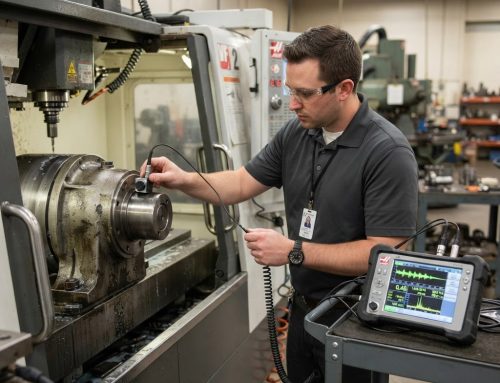
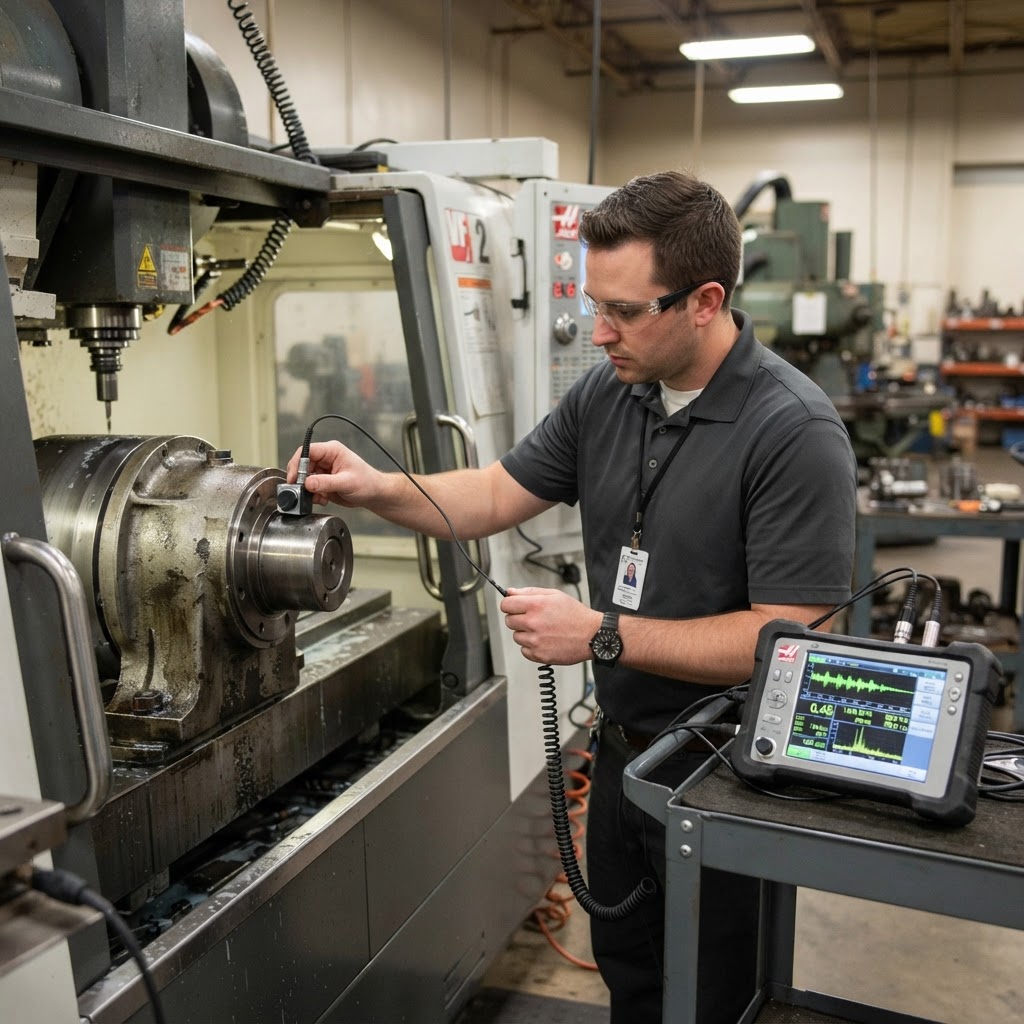
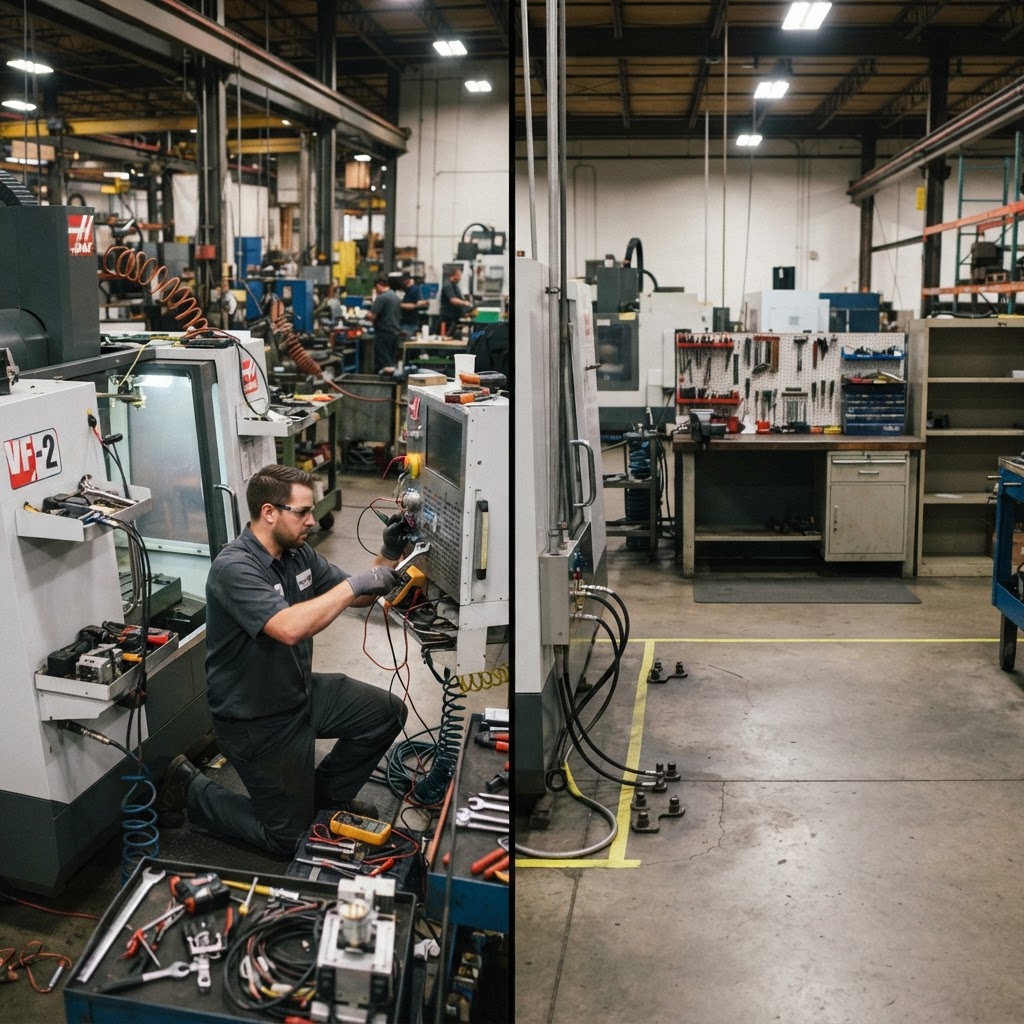
On-site CNC repair flips the script on industrial maintenance. Instead of spending time and money moving your machine to the technician, the technician brings the tools, diagnostics, and parts directly to your machine. This model keeps your machine exactly where it belongs: on your shop floor, ready to be serviced immediately.
n
By choosing an on-site service provider like In-House CNC Service LLC, you retain complete visibility and control over the entire process. You can speak directly with the technician, see the broken parts firsthand, and understand the exact cause of the failure. There are no shipping delays, no rigging fees, and no third-party transport risks. The diagnostic phase starts the moment the technician arrives, and the repair proceeds continuously until your spindle is turning again. This keeps your logistics simple, your overhead low, and your mind at ease. You are always in the loop, and you can make informed decisions based on real-time progress updates.
n
Furthermore, keeping the machine on-site eliminates the need to disrupt surrounding operations. Moving a massive CNC machine often requires clearing out material racks, moving adjacent machinery, and shutting down nearby work cells to create a clear path for riggers. This collateral disruption can halt production on machines that are perfectly healthy, compounding your losses. With on-site repair, the technician works within the footprint of the down machine, allowing the rest of your shop floor to maintain its normal production flow with minimal interference.
nn
Downtime Comparison: Hours vs. Weeks (A Financial Breakdown of Production Stoppage)
n
To truly understand the cost difference, we must analyze the single biggest cost factor in any machine failure: downtime. Let’s compare a realistic timeline for both methods:n
| Phase | Sending Machine Out | On-Site Repair (In-House CNC) |
|---|---|---|
| Scheduling & Prep | 2 – 4 Days (Hiring riggers, booking freight) | Same-Day or Next-Day Response |
| Transit / Travel | 2 – 5 Days in transit each way | 0 Days (Technician drives directly to your shop) |
| Diagnostic & Repair | 5 – 15 Days (Waiting in centralized repair queue) | 1 – 2 Days (Direct, focused work) |
| Reinstallation & Setup | 2 – 4 Days (Re-rigging, leveling, anchoring) | Completed concurrently with repair |
| Total Est. Downtime | 11 – 27 Business Days | 1 – 3 Business Days |
n
n
If your machine generates a conservative $150 of revenue per hour, running a single 8-hour shift per day:n
- n
- On-Site Repair (3 Days Down): 24 hours of lost production = $3,600 in downtime costs.
- Off-Site Repair (20 Days Down): 160 hours of lost production = $24,000 in downtime costs!
n
n
nWhen you add the costs of rigging ($4,000+), specialized shipping ($2,000+), and the actual repair bill, sending a machine out can easily cost 5 to 10 times more than an on-site repair, even if the on-site hourly rate is slightly higher. This is money that directly impacts your bottom line and your shop’s profitability. For shops running double shifts or 24/7 production, the financial impact of off-site repair is even more devastating, easily reaching six figures of lost revenue.
n
In addition to direct revenue loss, prolonged downtime can damage your relationships with your customers. In manufacturing, trust is built on reliability and on-time delivery. If you are forced to tell a key client that their order is delayed by three weeks because your machine is in a repair queue across the country, they may start looking for a more reliable machining partner. The cost of a lost customer is impossible to quantify, but it always dwarfs the cost of a professional on-site repair service.
nn
When (If Ever) Does an In-Shop Repair Make Sense?
n
Is sending a component or machine out ever the right choice? Yes, in a few highly specific circumstances. For instance, if a high-speed spindle requires complete sub-micron rebuilding, dynamic balancing, and run-in testing, that specific cartridge should indeed be sent to a specialized spindle laboratory. However, the machine itself should stay on your shop floor.
n
An on-site technician can come to your shop, extract the spindle cartridge, send only the cartridge to the rebuild facility, and then return to install, align, and calibrate the rebuilt spindle. This hybrid approach still saves you from the massive costs of moving the entire machine. Only in cases of complete, frame-up structural casting rebuilds or complex rust restoration does shipping an entire machine make sense. For 99% of mechanical and electrical issues, on-site repair is the superior, more efficient choice.
nn
The In-House CNC Advantage: Rapid Turnaround and Absolute Precision
n
Based in Menifee, California, In-House CNC Service LLC provides a highly competitive on-site repair advantage for shops throughout Southern California. Led by Jason Wutzke, our service is built around speed, absolute technical clarity, and precision execution. We come fully equipped with advanced diagnostics, electronic testing gear, and the mechanical rigging tools necessary to tear down and rebuild complex systems right where they stand.
n
Because we operate locally, we can react immediately to emergencies, sourcing parts through an extensive network of SoCal industrial distributors and overnight supply channels. We do not charge you for rigging up an entire machine, and we do not let your equipment sit in a long queue. Our priority is singular: getting your machine back to making chips as fast as humanly possible, while maintaining the highest standards of safety and accuracy. We stand behind our work, and we are committed to helping SoCal shops remain competitive and profitable.
nn
Conclusion: Making the Cost-Effective Decision for Your CNC Maintenance
n
When you look at the big picture, the choice is clear. Sending a machine out introduces a mountain of logistical complexity, massive rigging and transport fees, transit risks, and weeks of costly downtime. On-site CNC repair keeps your logistics simple, your costs low, and your production schedules secure. It is the only sensible choice for modern, fast-paced machine shops that value efficiency, reliability, and profitability.
n
Don’t let shipping and rigging companies eat into your hard-earned margins. Keep your equipment in your facility and let the experts handle the rest. Contact In-House CNC Service LLC today at (951) 540-4820 or visit in-housecnc.com to schedule your professional on-site diagnostic or preventive maintenance service. We keep Southern California’s manufacturing industry moving forward, one machine at a time.