CNC Repair Trends in 2026: What Southern California Shops Need to Know
Share Post
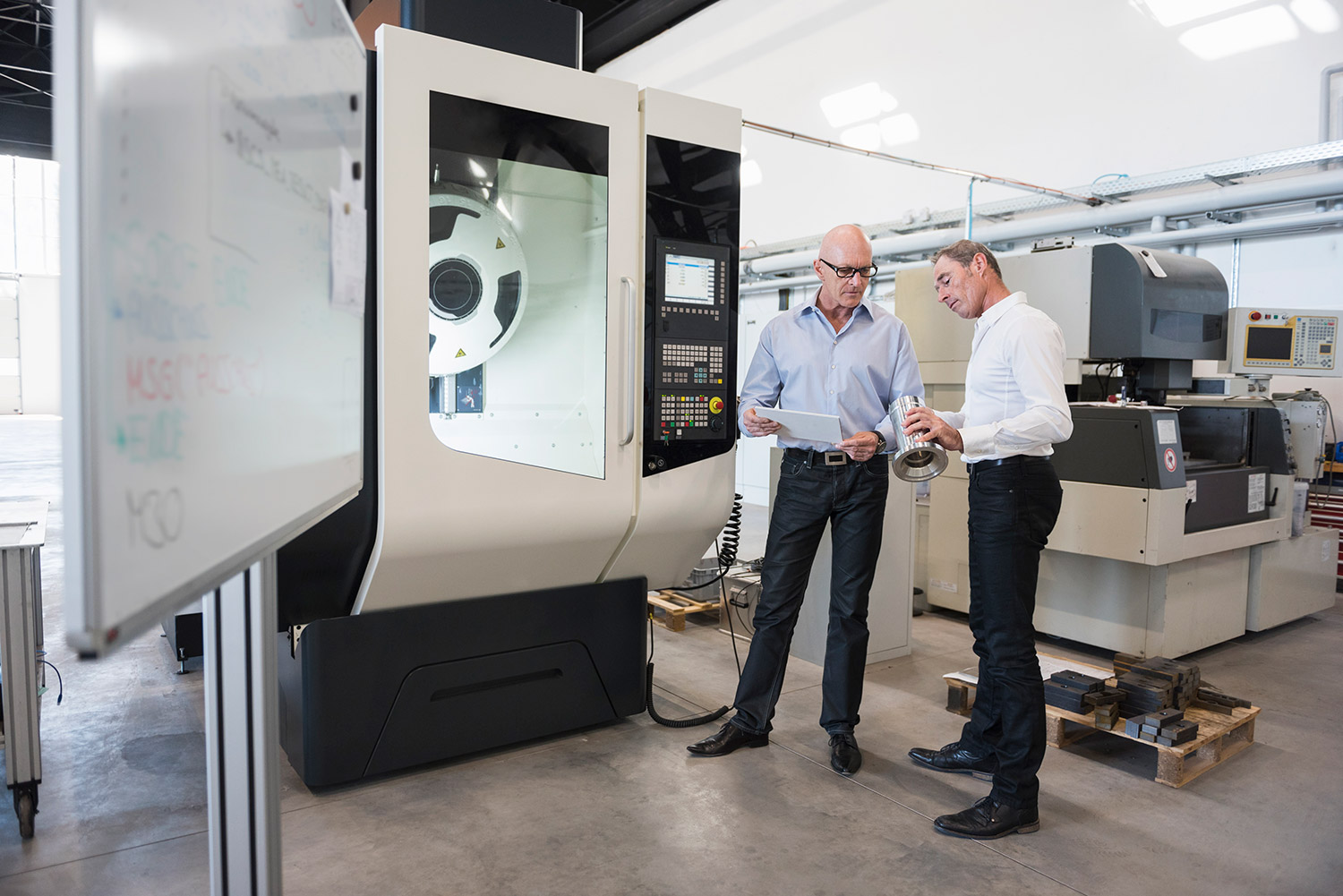
Southern California manufacturing has changed dramatically over the past five years. Shops running Haas, Fanuc, and Mazak equipment are now dealing with more sophisticated controls, tighter tolerances, and higher throughput demands. The trends shaping CNC repair in 2026 are just as relevant to the field technician arriving at your shop as they are to OEM engineers designing the next generation of machining centers.
Remote Diagnostics: The Fastest Growing Trend in CNC Field Service
Modern CNC controls generate machine data that skilled technicians can read remotely before arriving on site. At In-House CNC Service, we integrate remote diagnostic capability into our service workflow. When a customer calls with a servo alarm or spindle fault, our technicians can often review the alarm history, parameter settings, and axis load data remotely to narrow the likely cause before dispatch — arriving with the right parts and a diagnostic hypothesis already formed.
What Southern California Shops Are Upgrading To
The upgrade decisions we see most frequently in Riverside County and the Inland Empire fall into three categories:
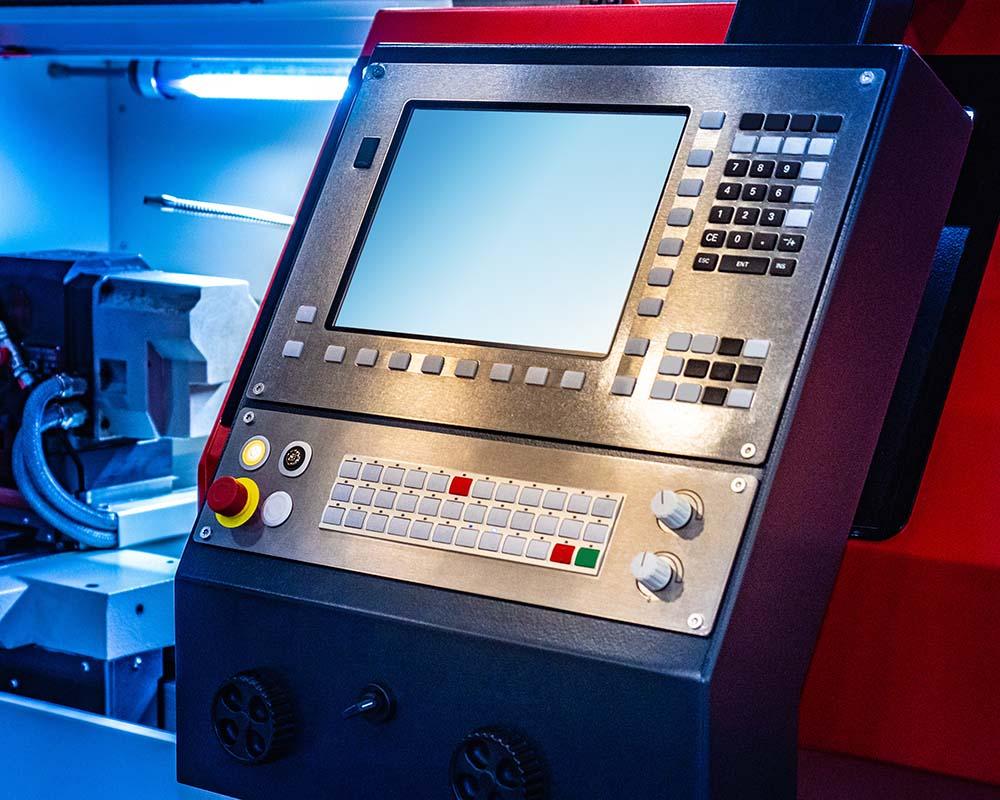
- Control retrofits: Replacing aging Fanuc 6M or 15M controls with modern Fanuc 0i-F systems, extending machine life 10–15 years while gaining USB connectivity and network integration.
- Spindle upgrades: Higher-speed spindle cartridges support smaller tooling and tighter finishes without buying a new machine.
- Ballscrew and linear guide replacement: Worn ballscrews cause positioning errors that no longer meet customer specs. Full replacement restores like-new accuracy at a fraction of new machine cost.
Predictive Maintenance Technology
The most significant shift in CNC maintenance philosophy is the move from reactive repair toward predictive maintenance. In-House CNC Service uses calibrated vibration analysis tools during PM visits to baseline spindle and axis bearing condition. When a bearing vibration signature trends upward over successive visits, we schedule replacement during planned downtime — not during an emergency shutdown.
The Rise of Field Service Over Shop-Based Repair
A CNC machining center weighs 8,000–25,000 lbs and costs $2,000–$8,000 to move. Add rigging fees, transit risk, and weeks of lost production, and on-site field service becomes the obvious choice for the vast majority of repairs. In-House CNC Service was built around this model. Every repair happens at your facility, with your machine staying exactly where it belongs. Our CNC repair services cover everything from control diagnostics to full spindle rebuilds without your machine leaving your shop.
How In-House CNC Service Approaches This
We stay current with technology trends through active relationships with parts suppliers, control manufacturers, and the Southern California manufacturing community. Our technicians maintain hands-on familiarity with Haas, Fanuc, Mazak, Okuma, and Doosan platforms — the brands most common in the Inland Empire. That real-world knowledge separates a technician who clears an alarm from one who fixes the underlying cause. See how these innovations apply to your equipment via our preventative maintenance program, or contact us today to discuss your service needs.
What to Expect in 2026 and Beyond
CNC machines are becoming more connected and more data-rich. Field technicians who can navigate both the mechanical and digital sides of modern CNC systems will be increasingly valuable — and increasingly hard to find. In-House CNC Service is investing in that capability now.
Schedule Your Service Assessment
Whether you’re evaluating a control retrofit, dealing with a recurring fault, or want to understand your equipment’s current condition, contact In-House CNC Service today to schedule an on-site assessment with one of our experienced field technicians.