
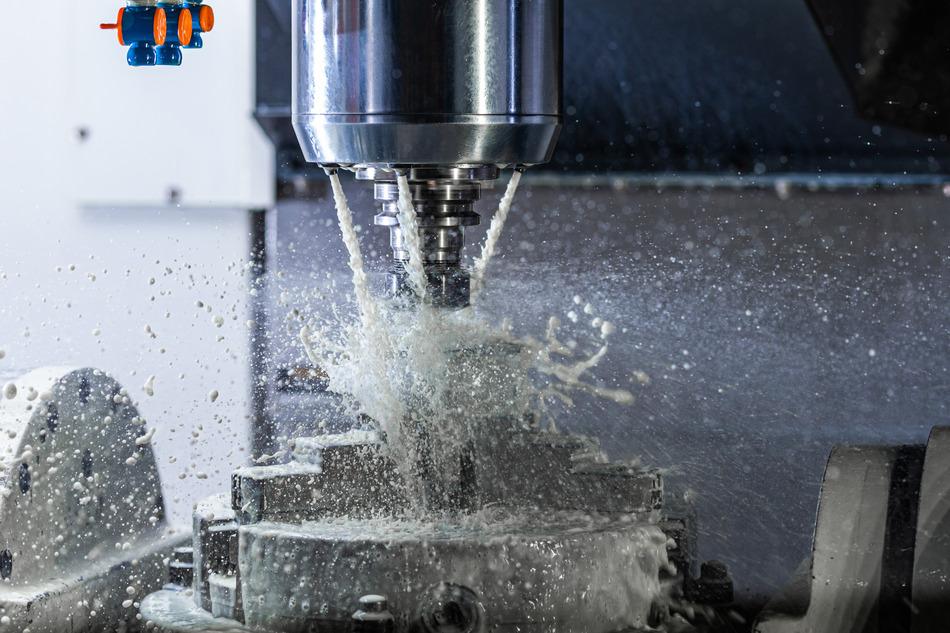
Maintaining CNC Spindle Health: Your Essential Guide
This FAQ guide is designed to help you keep your CNC machine spindle running smoothly and reliably. Whether you’re troubleshooting a strange noise or planning your daily checks, these quick answers cover the most common issues and how to prevent them. Proactive spindle care isn’t just smart—it’s essential for consistent precision, machine safety, and avoiding costly downtime. Use this guide as a hands-on reference to protect the heart of your CNC system.
Start each day with a warm-up routine to avoid thermal shock. Visually check for leaks, rust, or debris, and listen for unusual sounds during startup. Make sure your spindle feels warm—not hot—and check lube and coolant levels. Keeping things clean and logging observations helps you catch issues before they cost you.
Small problems don’t stay small for long. A bit of noise or vibration can quickly turn into poor machining, broken tools, or even a full spindle failure. Ignoring issues puts other parts of the machine at risk and increases downtime. Catching things early saves time, money, and prevents unsafe conditions.
Worn or unbalanced tools put unnecessary stress on the spindle. They cause vibration, poor cutting, and can damage the spindle taper. Using the wrong tool size or rating can overload the system and lead to early failure. Tool care and proper sizing are just as important as machine maintenance.
Yes—dust, moisture, heat, and even nearby vibrations all impact spindle health. Dirty air can clog filters and trap heat, while humidity causes rust and sludge buildup inside the spindle. Rapid temperature changes can also lead to condensation and internal damage. A clean, stable environment extends the life of your machine.
Lubrication reduces friction, cools the spindle, and protects internal parts from wear. Too little causes overheating; too much can damage bearings. Dirty or wrong lubricants are just as harmful and can lead to early failure. Always follow the manufacturer’s specs and store lubricants properly to avoid contamination.
When your spindle loses accuracy, you’ll see it in the parts—poor surface finish, inconsistent dimensions, or chatter marks. You might also notice the spindle using more power or not holding tools properly. These issues often come from worn bearings or misalignment. Testing runout and keeping tools in check helps catch these early.
Overheating is a sign your spindle is under stress. This could come from clogged filters, bad cooling, overworked bearings, or running at high speeds for too long. If your spindle feels hot to the touch, that’s a warning to check cooling and reduce the load. Consistent monitoring can stop overheating before it leads to failure.
Excessive vibration means something is out of balance or worn out. It could be from an unbalanced tool, bad bearings, misalignment, or even loose components. Vibration affects cut quality and shortens the life of both the spindle and the machine. Regular checks and tool balancing can prevent most vibration problems.
A visual inspection can catch problems early before they cause bigger issues. Look for oil leaks, rust, belt wear, or any damage to the housing, shaft, or bearings. Check the spindle taper and tool holders for scoring, pitting, or debris. Keeping this area clean helps prevent damage and makes it easier to spot issues.
Unusual sounds are often the first sign of spindle trouble. High-pitched squealing or squeaking usually means the belt is loose or misaligned. Growling or rumbling points to worn bearings, while clicking or ticking can mean parts are loose or misaligned. If you hear grinding or screeching, stop and inspect immediately—these often mean internal contamination or motor issues.