Common CNC Machine Issues and How to Troubleshoot Them: A Field Tech Guide
Share Post
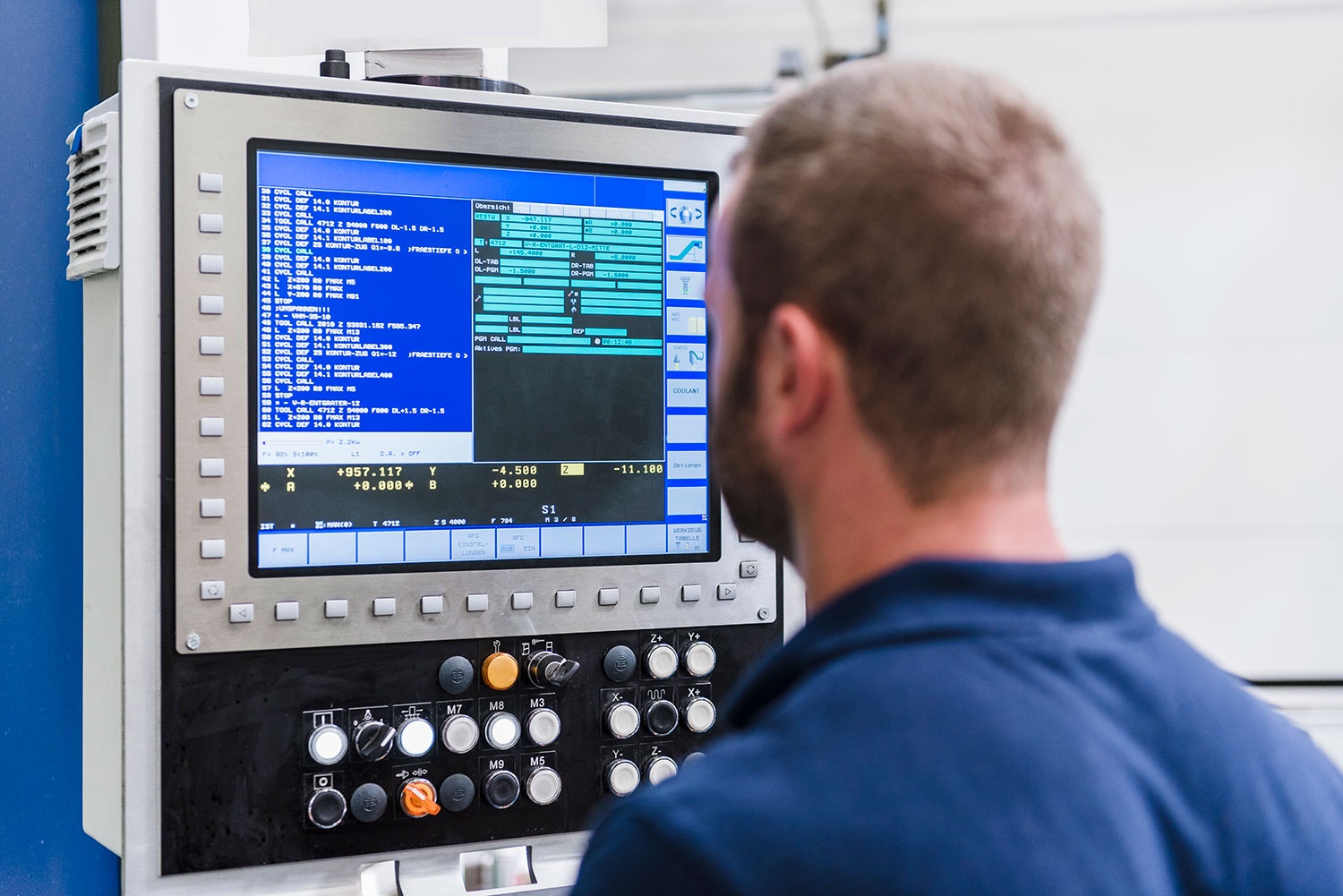
When a CNC machine throws an alarm or starts behaving unpredictably, the ability to quickly identify the root cause determines whether you lose an hour or a week of production. At In-House CNC Service, troubleshooting is one of our core competencies — and in this guide, we break down the most common CNC machine issues our technicians encounter across Southern California shops every week.
Axis Faults and Servo Alarms
Axis faults are among the most frequent calls we receive. On Fanuc-controlled machines, alarm codes like 414 (servo alarm: axis n — detection of speed), 417 (servo alarm: axis n — parameter incorrect), or 436 (axis n — pulse coder communication error) each point toward specific subsystems. A 414 typically indicates a servo drive or motor issue; a 436 almost always means a damaged encoder or cable.
The troubleshooting sequence matters: always check the encoder cable and connector first before assuming a motor or drive failure. A loose connector at the back of the servo motor causes the same alarm as a failed encoder — and costs $0 to fix versus $800–$2,400 for an encoder replacement.
Spindle Noise and Vibration
Abnormal spindle noise is one of the earliest warning signs of a developing bearing failure — and one of the most commonly ignored. A healthy spindle runs quietly at all speeds. Growling at low RPM, a high-pitched whine above 8,000 RPM, or intermittent vibration during cuts are all indicators that bearings need inspection.
Our technicians use handheld vibration analyzers to measure bearing condition during spindle service calls. We can quantify the severity of bearing wear and give you a realistic runway before failure — which is far more useful than “it sounds fine” or “replace it immediately.”
Coolant System Issues
Coolant problems cause more secondary machine damage than any other single issue. Degraded coolant concentration allows bacterial growth, accelerates corrosion on exposed iron surfaces, and causes premature pump seal failure. Blocked coolant nozzles cause thermal damage to tooling and workpieces. A clogged sump filter starves the pump and causes cavitation that destroys the impeller.
Check coolant concentration weekly with a refractometer. The correct concentration range for most water-soluble coolants is 6–8% — most shops run too dilute. Flush and recharge the sump every 6–12 months depending on usage.
E-Stop and Safety Circuit Faults
An E-stop fault that clears and recurs is a symptom, not a problem. The machine’s safety circuit is detecting a real condition — door interlock switch wear, a deteriorating relay contact, or a marginal safety relay that’s on its way out. Repeatedly clearing the alarm without investigating the cause is how minor electrical issues become major ones.
On Haas machines, the I/O board diagnostics screen shows the real-time state of every safety input. On Fanuc machines, the PMC diagnosis screen shows ladder logic states. These tools let a knowledgeable technician trace a safety fault to its exact source without guesswork.
When to Call a Field Tech vs. Handle In-House
Some issues are genuinely within the capability of a well-trained machine operator or maintenance person: clearing a tool length offset error, resetting a chip conveyor jam, cleaning a coolant filter, or replacing a worn gripper finger on an automatic toolchanger. These don’t require a service call.
Issues that require a field technician include: any alarm involving servo drives, spindle drives, or encoder signals; mechanical noise from the spindle, axis motors, or ballscrews; loss of positioning accuracy or repeatability; control board failures; and any issue involving the machine’s safety circuits.
How In-House CNC Service Approaches Troubleshooting
Our diagnostic process starts with a structured interview before we touch anything. We want to know: when did the problem first appear, what changed around that time, does it occur at specific RPMs or feeds, and what alarms are displayed. That information narrows the diagnostic field significantly before we open a panel.
We carry a diagnostic kit that includes oscilloscopes, insulation resistance testers, vibration analyzers, and parameter backup equipment. For most common fault types, we can complete diagnosis and repair in a single visit. Explore our full range of CNC repair services or contact us today to schedule a troubleshooting call.
Preventing Recurring Issues
The best troubleshooting is the kind you never have to do. Most of the faults described above have a preventative maintenance action that dramatically reduces their likelihood. A structured PM program from In-House CNC Service typically reduces unplanned downtime by 40–60% in the first six months — because we’re catching developing problems before they become production emergencies.
Get Expert Help Fast
If your machine is throwing alarms you can’t diagnose, making noises you haven’t heard before, or losing accuracy on parts that used to run perfectly, don’t wait. Contact In-House CNC Service today for fast, expert on-site troubleshooting across Southern California.