CNC Machine Maintenance Checklist: Daily, Weekly, Monthly, and Annual Tasks
Share Post
CNC Machine Maintenance Checklist: Daily, Weekly, Monthly, and Annual Tasks
Why a CNC Maintenance Checklist Matters
Most unplanned CNC machine failures are not sudden events. They are the result of deferred maintenance — lubrication skipped, coolant not topped up, way covers not cleaned, filter changes postponed. A structured maintenance checklist converts those deferred tasks into a repeatable routine that prevents the majority of unscheduled downtime.
This checklist covers the four maintenance time horizons every CNC shop should manage: daily tasks that take minutes but protect major components, weekly checks that catch early wear signs, monthly procedures that preserve long-term accuracy, and annual overhauls that reset your machine to peak condition.
Daily CNC Maintenance Tasks
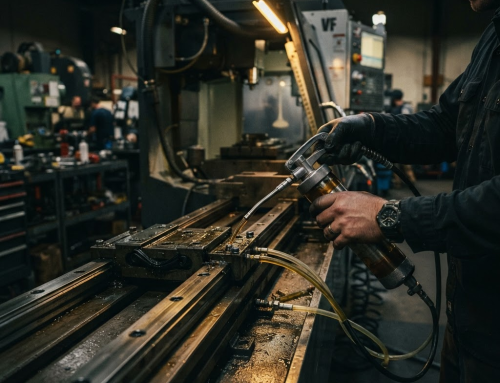
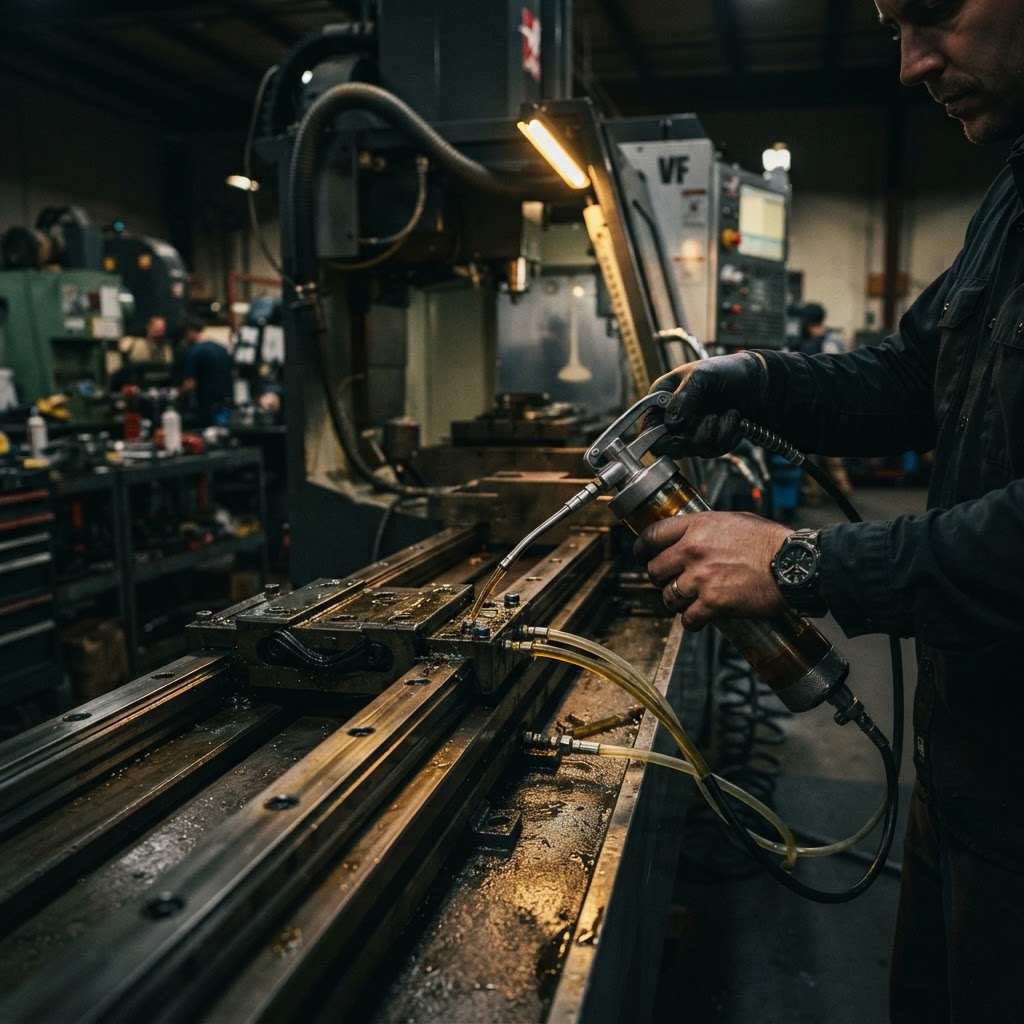
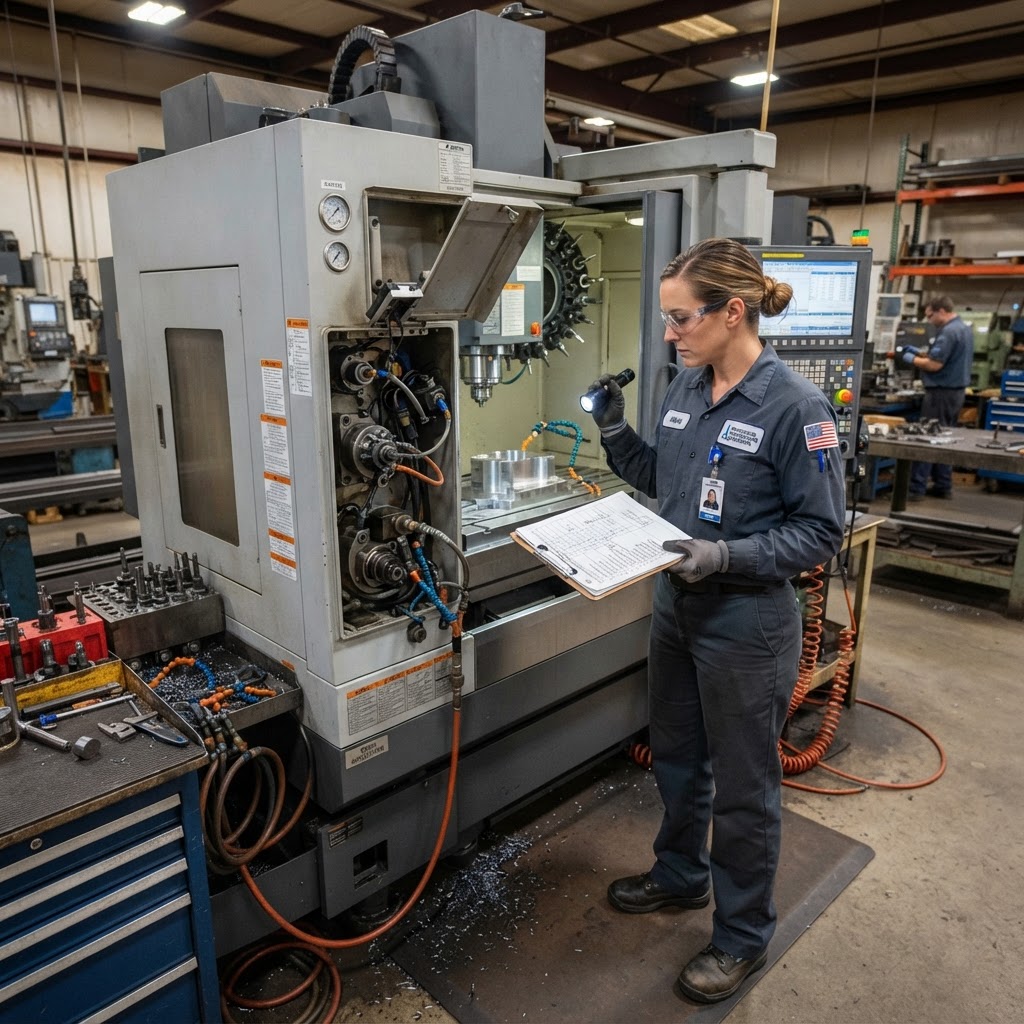
Every day before the first cycle and after the last, operators should: check the lubrication system oil level and confirm auto-lube is cycling correctly; inspect the coolant level and condition — discolored or foul-smelling coolant indicates contamination; clean chips from way covers, chip conveyors, and the work envelope; verify air pressure at the machine inlet is within specification; and check the spindle for unusual noise or vibration during warmup.
These tasks take five to fifteen minutes and protect the most expensive components on the machine. Lubrication failures and coolant contamination are two of the most common causes of accelerated wear in high-utilization CNC environments.
Weekly CNC Maintenance Tasks
Weekly checks should include: inspecting all axis wipers and way covers for wear or damage; checking the hydraulic system oil level if applicable; cleaning or replacing the spindle air seal filter; inspecting tool holders and tooling for wear, runout, or damage; verifying that all emergency stops and safety interlocks function correctly; and checking the coolant concentration with a refractometer and adjusting as needed.
The weekly inspection is also a good time to review the machine’s fault history log on the controller. Recurring alarms — even ones that clear automatically — are early warning signs of developing issues. Log them and communicate to your maintenance team.
Monthly CNC Maintenance Tasks
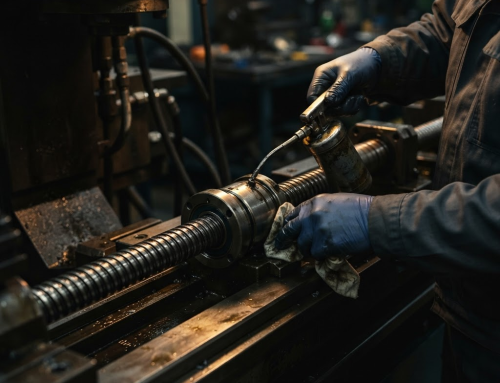
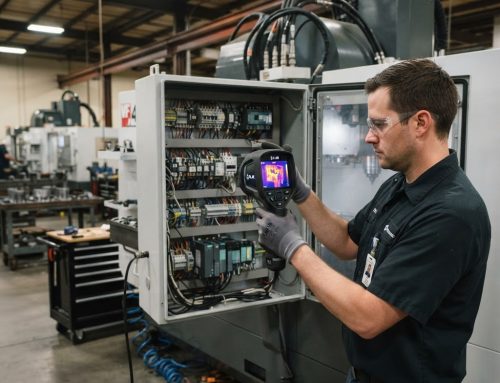
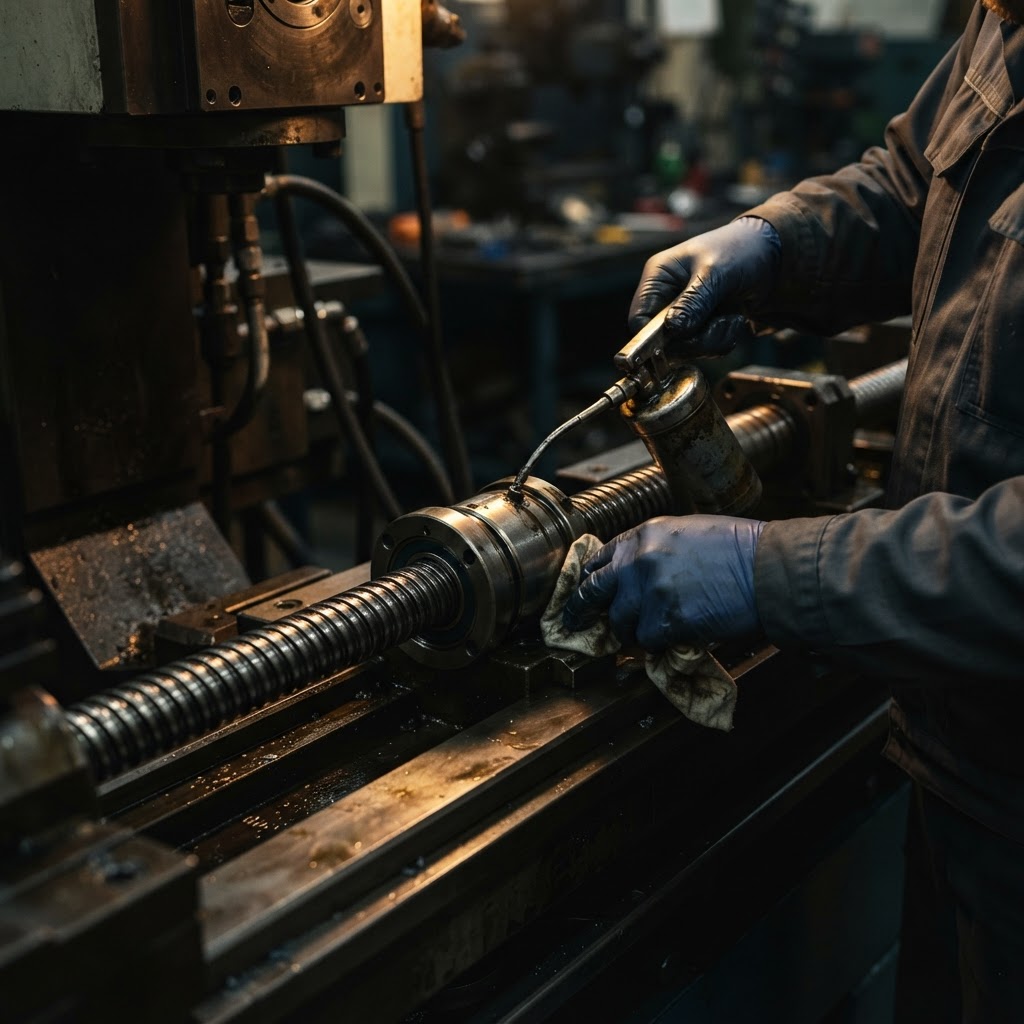
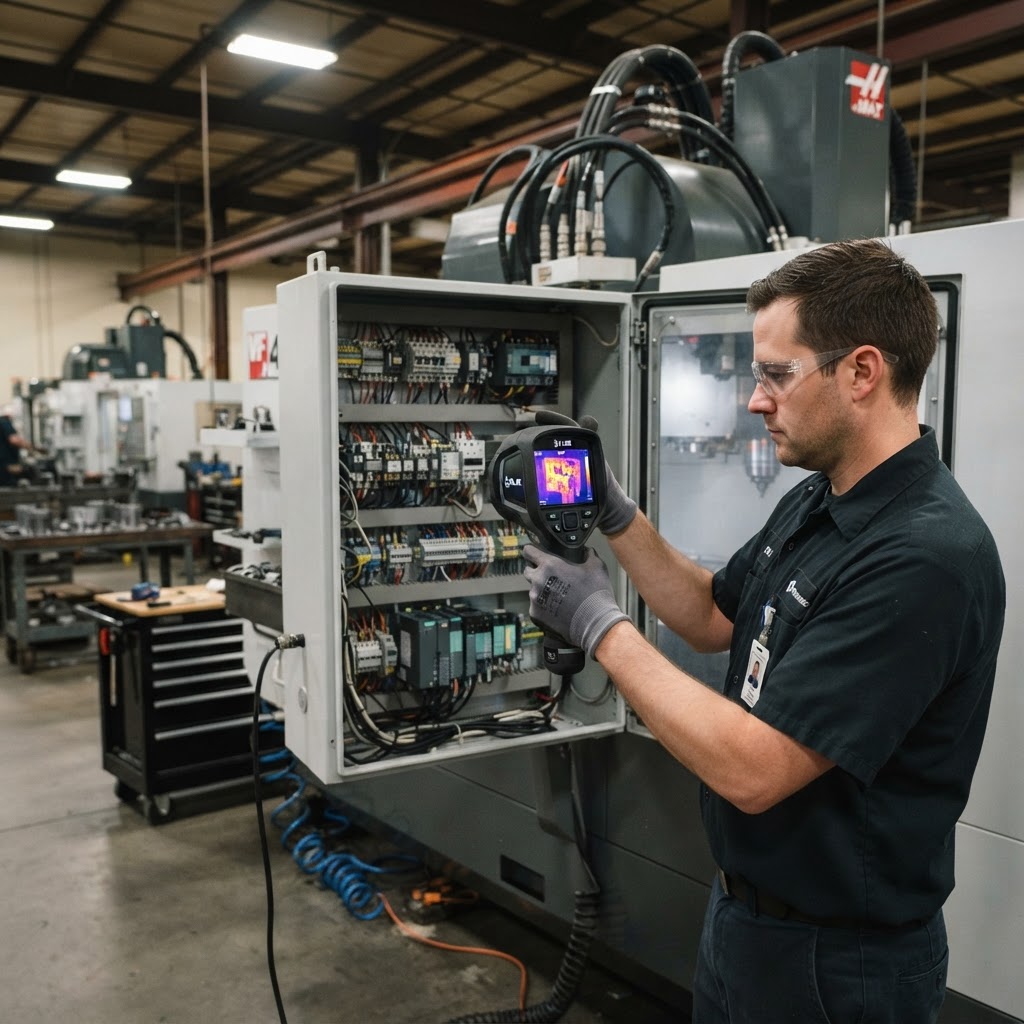
Monthly maintenance should cover: checking and adjusting axis drive belt tension if applicable; inspecting ballscrew lubrication and greasing if not on an automatic system; verifying spindle bearing preload and checking for thermal growth during warm-up; cleaning and inspecting all electrical cabinet filters and fans; checking servo drive heatsinks for dust buildup; and verifying calibration by running a test part or ballbar check on critical machines.
Monthly is also the right cadence to review your tooling inventory and replace any worn or damaged cutting tools before they cause workpiece damage or spindle overload faults.
Annual CNC Maintenance Tasks
Annual maintenance is the deep service interval. Tasks include: full lubrication system flush and refill; coolant system drain, clean, and refill with fresh coolant; ballscrew inspection for backlash and wear; spindle runout and bearing inspection; laser or ballbar calibration to verify and correct geometric accuracy; electrical connection inspection and torque check on all terminal blocks; and servo drive performance verification.
Many California manufacturers schedule annual maintenance during planned downtime — holiday shutdowns, seasonal slow periods, or scheduled customer delivery gaps. Planning the annual service in advance ensures your technician arrives with all required materials and the work is completed without disrupting production.
When to Call a CNC Technician Instead of Handling It Yourself
Operator-level maintenance covers lubrication, cleaning, coolant management, and filter changes. Component-level maintenance — ballscrew adjustment, spindle bearing service, servo drive diagnostics, calibration, and any work involving the electrical cabinet — requires a certified CNC technician.
Attempting component-level maintenance without the right training and tools is one of the fastest ways to convert a minor maintenance task into a major repair. When in doubt, call. A preventative service call costs a fraction of an emergency repair driven by an incorrectly serviced component.
Building a Maintenance Log for Your Shop
A maintenance log is as important as the maintenance itself. Record every task completed, the date, the technician or operator who performed it, and any findings noted during the inspection. This log becomes the single most valuable diagnostic tool when a fault eventually occurs — because it tells the technician exactly what has been serviced and what has not.
In-House CNC Service provides written service reports after every PM visit. These reports document all work performed, components inspected, measurements taken, and any recommendations for future service — giving you a running log of your machine’s mechanical history from every technician visit.
Your CNC Machine Can't Wait. Neither Can We.
In-House CNC Service dispatches certified technicians directly to your facility across Southern California. No shipping. No guesswork. Just expert repair that gets you back online. According to the OSHA machine guarding standards, proactive CNC maintenance significantly reduces unplanned manufacturing downtime.