Best Metal Lathe Cutting Tools for Longevity
Share Post

Why Tool Longevity Matters in a Production Shop
Every hour a lathe runs, cutting tool wear is accumulating. In a high-production Southern California machine shop, premature tool failure means scrapped parts, interrupted runs, and unplanned downtime. Choosing the right cutting tool material u2014 and running it correctly u2014 is one of the highest-leverage decisions a shop foreman makes.
In-House CNC Service works alongside lathe operators across Menifee, Riverside, and the broader SoCal manufacturing corridor. We see firsthand how tool selection affects not just surface finish but spindle load, vibration, and long-term machine health.
Carbide vs. HSS vs. Cermet: Which Lasts Longest?
High-speed steel (HSS) was the standard for decades, but modern production environments have largely moved to carbide and cermet inserts. HSS still has a place in low-volume, interrupted cut situations where toughness matters more than speed.
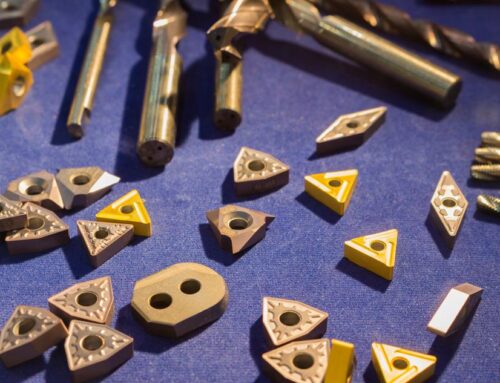
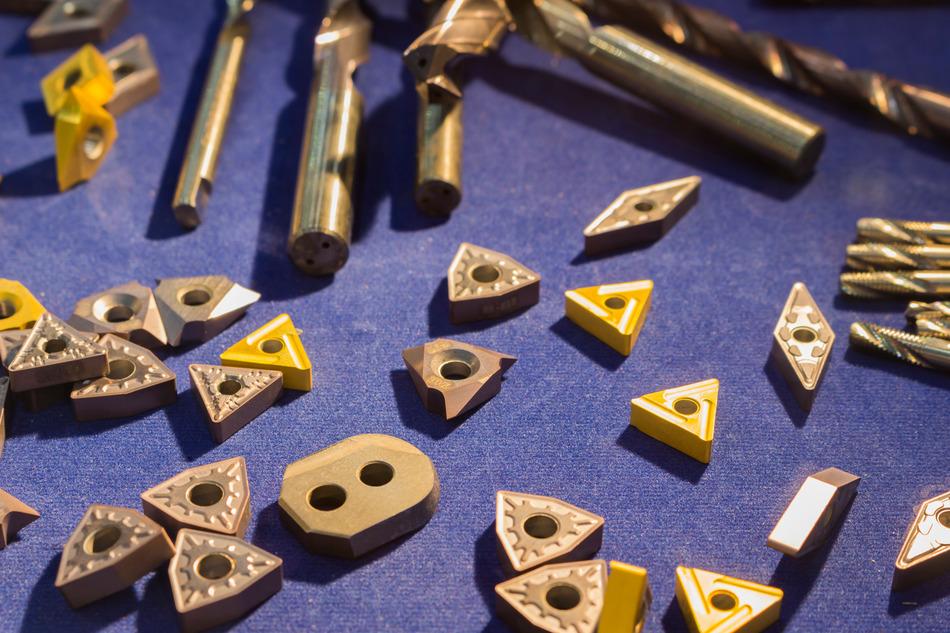
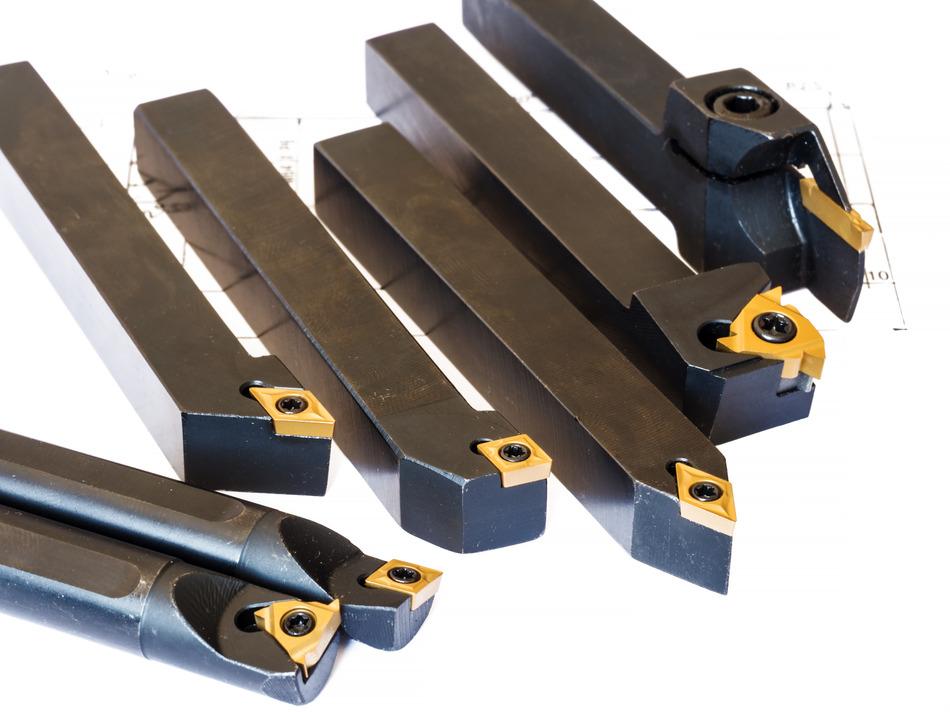
Carbide inserts u2014 particularly coated grades with TiAlN or TiCN coatings u2014 offer the best combination of hardness, heat resistance, and wear life for continuous turning operations. Cermet inserts sit between carbide and ceramic: they excel at finishing passes on steel and cast iron at high surface speeds but are more brittle than carbide in heavy cuts.
For most Southern California job shops running mixed steel and aluminum, a quality coated carbide grade will deliver the best cost-per-part performance.
Top Brands for Lathe Cutting Tool Longevity
Not all carbide inserts are created equal. The substrate quality, coating process, and grade engineering vary significantly between manufacturers.
Sandvik Coromant is widely regarded as the benchmark for turning insert longevity. Their GC4325 grade for steel turning consistently outperforms generic imports in tool life testing. The CoroTurn platform is a standard on high-production lines for good reason.
Kennametal offers strong performance in stainless and heat-resistant alloys with their KCP25C and KC5010 grades. For shops cutting a lot of 304 or 316 stainless, Kennametal is worth the premium.
Iscar excels in interrupted cut applications. Their SUMO TEC coating technology handles the thermal cycling of interrupted cuts better than most competitors, which means fewer edge chippings and longer tool life in those conditions.
Mitsubishi Materials VP15TF grade is a sleeper pick for finishing operations u2014 exceptional edge retention at high surface speeds on steel.
Speeds and Feeds: The Fastest Way to Kill a Good Insert
Even the best carbide insert fails prematurely when run at the wrong parameters. The two most common errors are running too slow (which causes built-up edge on aluminum and stainless) and running too fast without adequate coolant (which causes thermal cracking on carbide).
As a baseline, coated carbide on mild steel typically runs 500u2013800 SFM. Stainless should be run at 300u2013450 SFM with high-pressure coolant directly at the insert. Aluminum with uncoated or PCD inserts runs at 1,000u20133,000 SFM depending on machine rigidity.
Feed rate matters equally. A light, fast feed causes work hardening on stainless and leaves a poor finish on steel. A heavy, slow feed generates excessive heat. Run at the manufacturer’s recommended feed range and adjust from there based on observed chip color and shape.
Storage and Handling: The Details Most Shops Overlook
Carbide inserts are brittle. Dropping an insert on a concrete floor frequently causes micro-fractures that are invisible until the insert fails catastrophically mid-cut. Store inserts in their original packaging until needed and handle with clean dry fingers or anti-static tweezers for small inserts.
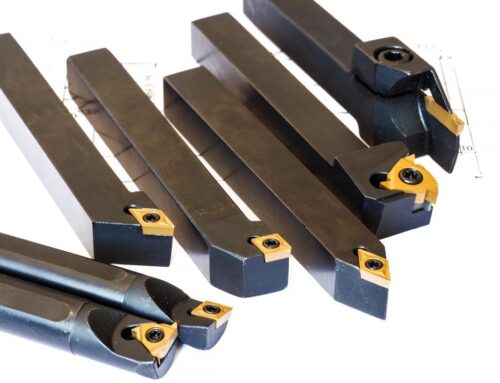
Toolholders deserve equal attention. A worn, pitted toolholder seat transfers vibration directly to the insert and shortens tool life by 20u201340 percent compared to a clean, flat seat. Inspect and clean toolholder pockets at every insert change.
For lathe centers, check and replace dead centers on any indication of wear. A worn dead center introduces vibration that is often misdiagnosed as a spindle problem u2014 we see this regularly on service calls at In-House CNC.
When Cutting Tool Problems Indicate a Machine Problem
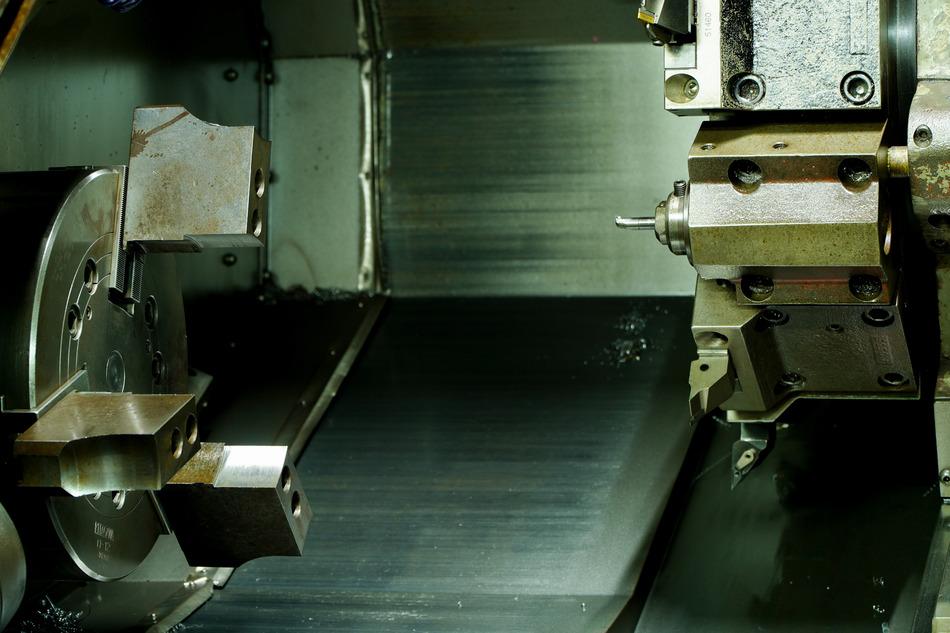
Abnormally rapid tool wear u2014 especially when it is inconsistent across the insert corners u2014 often signals a machine issue rather than a tooling issue. Spindle runout, worn turret indexing, or axis backlash can all manifest as unexpected tool life reduction.
If you have switched to a quality carbide grade and optimized your parameters but tool life is still erratic, it is worth having the machine inspected. Call In-House CNC at (951) 540-4820 and describe the symptom u2014 our technicians can often narrow down the cause over the phone before scheduling an on-site visit.