
Skip to contentLinear Motion Bearing ReplacementsJason Wutzke2025-02-28T22:08:10+00:00 Page load linkwarranty, brake, transmission, vehicle, motion, linear motion, machine, actuator, ball bearing, screw, bearing, automation, plain bearing, linear actuator, friction, ball screw, pillow block bearing, rotation, steel, machine tool, electric motor, motion control, engine, stainless steel, timken company, flange, inch, lubricant, semiconductor, aerospace, pillow, vacuum, diameter, cart, thrust bearing, metal, request for quote, ntn corporation, wear, nut, vacuum cleaner, vibration, factory, assembly line, cylinder, plastic, automotive industry, material handling, efficiency, heavy equipment, polymer, instrumentation, electronics, construction, sensor, cam follower, inventory, recirculating ball, corrosion, guide rail, length, packaging, quantity, specification, stiffness, system, hiwin, transport, energy, thrust, laboratory automation, brand, longevity, research, drawer, cage, bulk material handling, customer, laboratory, stress, shopping cart, recycling, noise, downtime, moving bearing, heat, force, polytetrafluoroethylene, axle, pump, contamination, oil, numerical control, fluid, spherical roller bearing, air bearing, gear, cleanroom, alloy, magnetic field, pressure, sphere, magnetic bearing, angle, torque, wear and tear, hardness, debris, iron, valve, compressor, dust, bending, ceramic, copper, viscosity, bronze, floor, mining, spline, stiction, fatigue, graphite, rocker arm, drill, bearing surface, surface area, backlash, failure, area, weight, rolling, surface finish
Frequently Asked Questions
Who makes the best linear bearings?
The best linear bearings are produced by reputable manufacturers known for their precision engineering and quality, such as THK, SKF, and Bosch Rexroth. These brands are recognized for their reliability and durability in CNC applications.
Who is the top 10 bearing company in the world?
The top 10 bearing companies in the world are known for their innovation and quality, including brands like SKF, NTN, Schaeffler, Timken, and NSK, recognized for their excellence in manufacturing and performance.
What bearings allow linear movement?
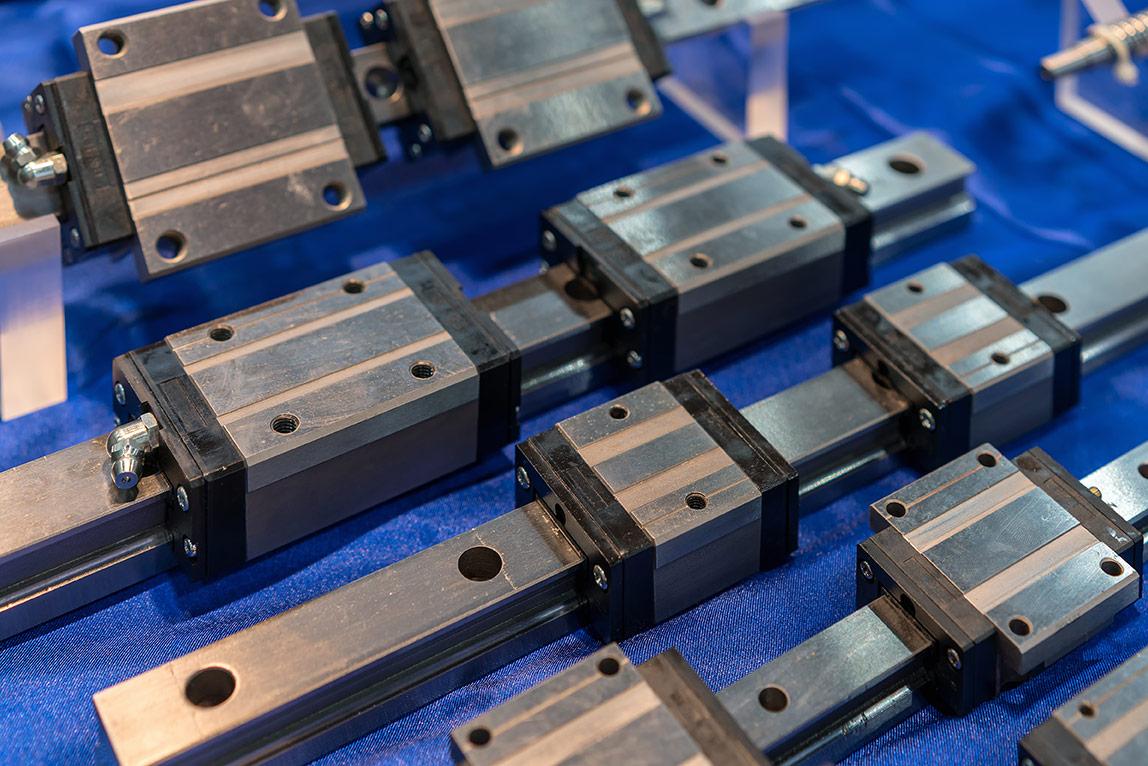
Linear motion bearings, such as ball bearings, roller bearings, and profile rail systems, enable smooth and precise linear movement by reducing friction and providing stability in CNC machinery applications.
Who is the largest bearing manufacturer?
The largest bearing manufacturer in the world is SKF, a Swedish company known for its extensive offerings in bearing technology and solutions across various industries.
What are the top features of linear bearings?
The top features of linear bearings include high load capacity, smooth motion, minimal friction, and precise positioning capabilities. These attributes make them essential for enhancing the performance and efficiency of CNC machinery.
How can I choose the right linear bearing?
Choosing the right linear bearing involves considering factors such as load capacity, speed requirements, environmental conditions, and compatibility with your existing CNC setup. Assess these criteria to ensure optimal performance and longevity of your machinery.
What applications use linear motion bearings?
Linear motion bearings are utilized in various applications, including CNC machinery, material handling systems, robotics, and packaging equipment, providing smooth, precise movement and reducing friction in linear motion processes.
What factors affect linear bearing performance?
Factors that affect linear bearing performance include load capacity, lubrication quality, material properties, alignment precision, and environmental conditions. Each factor plays a crucial role in ensuring smooth operation and longevity of the bearings.
How are linear bearings manufactured?
Linear bearings are manufactured through precise machining processes that involve creating hardened steel or stainless steel components, which are then ground and polished to achieve smooth movement along guide rails, ensuring durability and optimal performance.
What maintenance is required for linear bearings?
Maintenance for linear bearings involves regular inspection, cleaning, and lubrication to ensure smooth operation. It's essential to check for wear, debris, and alignment to prevent premature failure and maintain optimal performance.
What types of linear bearings are available?
The types of linear bearings available include ball bearings, roller bearings, and slide bearings, each designed to provide smooth motion and support for various CNC applications, ensuring enhanced performance and reliability for your machinery.
How to install linear motion bearings properly?
Installing linear motion bearings properly involves aligning the bearings with the rail accurately, securely fastening them to the mounting surface, and ensuring smooth movement by checking for any obstructions or misalignments before use.
What materials are used for linear bearings?
The materials used for linear bearings typically include steel, plastic, and bronze. These materials are selected for their durability, low friction properties, and ability to withstand various loads and environmental conditions, ensuring optimal performance in CNC applications.
How do linear bearings enhance machinery efficiency?
Linear bearings enhance machinery efficiency by reducing friction and allowing smooth, precise movement along guide rails. This leads to improved speed, accuracy, and reliability, ultimately optimizing the performance and longevity of CNC equipment.
What is the lifespan of linear motion bearings?
The lifespan of linear motion bearings typically ranges from 1,000 to 10,000 hours, depending on factors such as load conditions, maintenance practices, and operating environment. Regular maintenance can significantly extend their lifespan and performance.
What innovations exist in linear bearing technology?
Innovations in linear bearing technology include advancements such as the introduction of self-lubricating materials, improved sealing systems to protect against contaminants, and the integration of smart sensors for real-time monitoring, enhancing efficiency and longevity in CNC machinery.
Which industries benefit from linear motion bearings?
Various industries significantly benefit from linear motion bearings, including manufacturing, automation, robotics, semiconductor production, and packaging. These bearings enhance precision and efficiency in machinery, making them essential for smooth operation in diverse applications.
How do linear bearings reduce friction?
Linear bearings reduce friction by utilizing rolling elements, such as balls or rollers, to create minimal contact with the rail surface, which significantly decreases resistance and enhances smooth movement in CNC applications.
What problems can occur with linear bearings?
Problems that can occur with linear bearings include wear and tear, misalignment, contamination, and inadequate lubrication, which can lead to decreased performance, increased friction, and potential breakdowns in CNC machinery.
How to troubleshoot linear bearing issues?
Troubleshooting linear bearing issues involves inspecting for debris, ensuring proper alignment, and checking for signs of wear or lubrication failure. Regular maintenance and timely replacements help maintain optimal performance in your CNC machinery.
What is the cost range for linear bearings?
The cost range for linear bearings typically varies from $20 to $200 per unit, depending on factors such as size, material, and quality. For bulk orders or specific requirements, prices may differ, so it's best to consult with a supplier for accurate estimates.
How can I optimize linear bearing performance?
Optimizing linear bearing performance involves regular maintenance, proper lubrication, and ensuring accurate alignment. Additionally, selecting the right bearing type for your application and monitoring load conditions can significantly enhance efficiency and longevity.
What are the environmental impacts of bearings?
The environmental impacts of bearings include resource consumption during production, potential pollution from manufacturing processes, and waste generation at the end of their life cycle, emphasizing the importance of sustainable practices in their use and disposal.
Where to find quality linear bearing suppliers?
Finding quality linear bearing suppliers involves researching reputable manufacturers and distributors online, exploring industry directories, and seeking recommendations from CNC service professionals who understand the importance of high-performance components.
What role do linear bearings play in CNC machines?
Linear bearings are crucial components in CNC machines, providing precise motion control and support for moving parts, which enhances accuracy, reduces friction, and ensures smooth operation during machining processes.
Can linear bearings support heavy loads?
Linear bearings can support heavy loads, depending on their design and materials. High-quality linear bearings are engineered to handle significant weight while maintaining smooth motion, making them suitable for demanding applications in CNC machinery.
How to select a linear motion bearing manufacturer?
Selecting a linear motion bearing manufacturer involves considering their industry reputation, product quality, customization options, and customer service. Ensure they have experience with CNC machinery and provide reliable support for optimal performance.
What certifications should linear bearing suppliers have?
Linear bearing suppliers should possess certifications such as ISO 9001 for quality management, ISO 14001 for environmental management, and any relevant industry-specific certifications to ensure adherence to standards and reliability in their products.
How do linear bearings differ from traditional bearings?
Linear bearings differ from traditional bearings in that they facilitate smooth, straight-line motion, whereas traditional bearings support rotating movements. This specialization makes linear bearings ideal for CNC machinery applications requiring precision and minimal friction.
What is the future of linear bearing technology?
The future of linear bearing technology is focused on enhanced precision, increased durability, and the integration of smart capabilities to improve performance and maintenance. Innovative materials and designs will continue to drive advancements in efficiency and reliability for CNC machinery.
linear motion repair services, linear motion bearing manufacturers, moving bearing, bearing cnc, cnc machine bearing, bearing cnc machine, custom cnc machined parts for linear motion, how does air resistance affect motion, cnc linear bearings, what is a linear angle, cnc linear motion, custom cnc machined assemblies for linear motion
warranty, brake, transmission, vehicle, motion, linear motion, machine, actuator, ball bearing, screw, bearing, automation, plain bearing, linear actuator, friction, ball screw, pillow block bearing, rotation, steel, machine tool, electric motor, motion control, engine, stainless steel, timken company, flange, inch, lubricant, semiconductor, aerospace, pillow, vacuum, diameter, cart, thrust bearing, metal, request for quote, ntn corporation, wear, nut, vacuum cleaner, vibration, factory, assembly line, cylinder, plastic, automotive industry, material handling, efficiency, heavy equipment, polymer, instrumentation, electronics, construction, sensor, cam follower, inventory, recirculating ball, corrosion, guide rail, length, packaging, quantity, specification, stiffness, system, hiwin, transport, energy, thrust, laboratory automation, brand, longevity, research, drawer, cage, bulk material handling, customer, laboratory, stress, shopping cart, recycling, noise, downtime, moving bearing, heat, force, polytetrafluoroethylene, axle, pump, contamination, oil, numerical control, fluid, spherical roller bearing, air bearing, gear, cleanroom, alloy, magnetic field, pressure, sphere, magnetic bearing, angle, torque, wear and tear, hardness, debris, iron, valve, compressor, dust, bending, ceramic, copper, viscosity, bronze, floor, mining, spline, stiction, fatigue, graphite, rocker arm, drill, bearing surface, surface area, backlash, failure, area, weight, rolling, surface finish
Frequently Asked Questions
Who makes the best linear bearings?
The best linear bearings are produced by reputable manufacturers known for their precision engineering and quality, such as THK, SKF, and Bosch Rexroth. These brands are recognized for their reliability and durability in CNC applications.
Who is the top 10 bearing company in the world?
The top 10 bearing companies in the world are known for their innovation and quality, including brands like SKF, NTN, Schaeffler, Timken, and NSK, recognized for their excellence in manufacturing and performance.
What bearings allow linear movement?
Linear motion bearings, such as ball bearings, roller bearings, and profile rail systems, enable smooth and precise linear movement by reducing friction and providing stability in CNC machinery applications.
Who is the largest bearing manufacturer?
The largest bearing manufacturer in the world is SKF, a Swedish company known for its extensive offerings in bearing technology and solutions across various industries.
What are the top features of linear bearings?
The top features of linear bearings include high load capacity, smooth motion, minimal friction, and precise positioning capabilities. These attributes make them essential for enhancing the performance and efficiency of CNC machinery.
How can I choose the right linear bearing?
Choosing the right linear bearing involves considering factors such as load capacity, speed requirements, environmental conditions, and compatibility with your existing CNC setup. Assess these criteria to ensure optimal performance and longevity of your machinery.
What applications use linear motion bearings?
Linear motion bearings are utilized in various applications, including CNC machinery, material handling systems, robotics, and packaging equipment, providing smooth, precise movement and reducing friction in linear motion processes.
What factors affect linear bearing performance?
Factors that affect linear bearing performance include load capacity, lubrication quality, material properties, alignment precision, and environmental conditions. Each factor plays a crucial role in ensuring smooth operation and longevity of the bearings.
How are linear bearings manufactured?
Linear bearings are manufactured through precise machining processes that involve creating hardened steel or stainless steel components, which are then ground and polished to achieve smooth movement along guide rails, ensuring durability and optimal performance.
What maintenance is required for linear bearings?
Maintenance for linear bearings involves regular inspection, cleaning, and lubrication to ensure smooth operation. It's essential to check for wear, debris, and alignment to prevent premature failure and maintain optimal performance.
What types of linear bearings are available?
The types of linear bearings available include ball bearings, roller bearings, and slide bearings, each designed to provide smooth motion and support for various CNC applications, ensuring enhanced performance and reliability for your machinery.
How to install linear motion bearings properly?
Installing linear motion bearings properly involves aligning the bearings with the rail accurately, securely fastening them to the mounting surface, and ensuring smooth movement by checking for any obstructions or misalignments before use.
What materials are used for linear bearings?
The materials used for linear bearings typically include steel, plastic, and bronze. These materials are selected for their durability, low friction properties, and ability to withstand various loads and environmental conditions, ensuring optimal performance in CNC applications.
How do linear bearings enhance machinery efficiency?
Linear bearings enhance machinery efficiency by reducing friction and allowing smooth, precise movement along guide rails. This leads to improved speed, accuracy, and reliability, ultimately optimizing the performance and longevity of CNC equipment.
What is the lifespan of linear motion bearings?
The lifespan of linear motion bearings typically ranges from 1,000 to 10,000 hours, depending on factors such as load conditions, maintenance practices, and operating environment. Regular maintenance can significantly extend their lifespan and performance.
What innovations exist in linear bearing technology?
Innovations in linear bearing technology include advancements such as the introduction of self-lubricating materials, improved sealing systems to protect against contaminants, and the integration of smart sensors for real-time monitoring, enhancing efficiency and longevity in CNC machinery.
Which industries benefit from linear motion bearings?
Various industries significantly benefit from linear motion bearings, including manufacturing, automation, robotics, semiconductor production, and packaging. These bearings enhance precision and efficiency in machinery, making them essential for smooth operation in diverse applications.
How do linear bearings reduce friction?
Linear bearings reduce friction by utilizing rolling elements, such as balls or rollers, to create minimal contact with the rail surface, which significantly decreases resistance and enhances smooth movement in CNC applications.
What problems can occur with linear bearings?
Problems that can occur with linear bearings include wear and tear, misalignment, contamination, and inadequate lubrication, which can lead to decreased performance, increased friction, and potential breakdowns in CNC machinery.
How to troubleshoot linear bearing issues?
Troubleshooting linear bearing issues involves inspecting for debris, ensuring proper alignment, and checking for signs of wear or lubrication failure. Regular maintenance and timely replacements help maintain optimal performance in your CNC machinery.
What is the cost range for linear bearings?
The cost range for linear bearings typically varies from $20 to $200 per unit, depending on factors such as size, material, and quality. For bulk orders or specific requirements, prices may differ, so it's best to consult with a supplier for accurate estimates.
How can I optimize linear bearing performance?
Optimizing linear bearing performance involves regular maintenance, proper lubrication, and ensuring accurate alignment. Additionally, selecting the right bearing type for your application and monitoring load conditions can significantly enhance efficiency and longevity.
What are the environmental impacts of bearings?
The environmental impacts of bearings include resource consumption during production, potential pollution from manufacturing processes, and waste generation at the end of their life cycle, emphasizing the importance of sustainable practices in their use and disposal.
Where to find quality linear bearing suppliers?
Finding quality linear bearing suppliers involves researching reputable manufacturers and distributors online, exploring industry directories, and seeking recommendations from CNC service professionals who understand the importance of high-performance components.
What role do linear bearings play in CNC machines?
Linear bearings are crucial components in CNC machines, providing precise motion control and support for moving parts, which enhances accuracy, reduces friction, and ensures smooth operation during machining processes.
Can linear bearings support heavy loads?
Linear bearings can support heavy loads, depending on their design and materials. High-quality linear bearings are engineered to handle significant weight while maintaining smooth motion, making them suitable for demanding applications in CNC machinery.
How to select a linear motion bearing manufacturer?
Selecting a linear motion bearing manufacturer involves considering their industry reputation, product quality, customization options, and customer service. Ensure they have experience with CNC machinery and provide reliable support for optimal performance.
What certifications should linear bearing suppliers have?
Linear bearing suppliers should possess certifications such as ISO 9001 for quality management, ISO 14001 for environmental management, and any relevant industry-specific certifications to ensure adherence to standards and reliability in their products.
How do linear bearings differ from traditional bearings?
Linear bearings differ from traditional bearings in that they facilitate smooth, straight-line motion, whereas traditional bearings support rotating movements. This specialization makes linear bearings ideal for CNC machinery applications requiring precision and minimal friction.
What is the future of linear bearing technology?
The future of linear bearing technology is focused on enhanced precision, increased durability, and the integration of smart capabilities to improve performance and maintenance. Innovative materials and designs will continue to drive advancements in efficiency and reliability for CNC machinery.
linear motion repair services, linear motion bearing manufacturers, moving bearing, bearing cnc, cnc machine bearing, bearing cnc machine, custom cnc machined parts for linear motion, how does air resistance affect motion, cnc linear bearings, what is a linear angle, cnc linear motion, custom cnc machined assemblies for linear motion