Haas Preventive Maintenance: Maximizing Productivity and Longevity
Share Post

For decades, Haas Automation CNC machines have been the backbone of machine shops across Southern California. From compact VF-2 vertical machining centers to high-production dual-spindle turning centers, Haas machines deliver outstanding value, user-friendly controls, and reliable performance. However, because these machines are such versatile workhorses, they often run for multiple shifts a day, subjecting them to severe operational wear. Implementing a structured program of Haas Preventive Maintenance is the single most effective way to protect your investment, extend the service life of your machines, and ensure your shop floor remains highly productive day in and day out.
Why Haas Machines Require a Specialized Preventative Maintenance Approach
While all CNC machines share basic mechanical principles, Haas machines have unique engineering designs, structural layouts, and software integration that require a tailored maintenance approach. A generic, one-size-fits-all maintenance checklist often misses the subtle indicators of impending failure on a Haas machine.
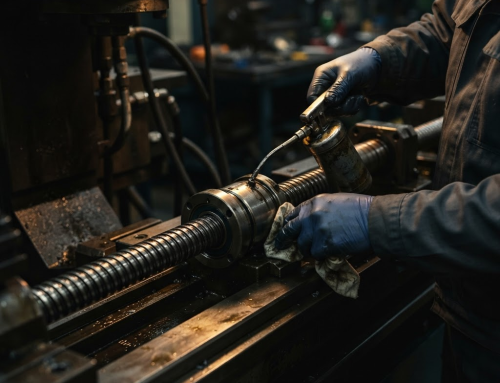
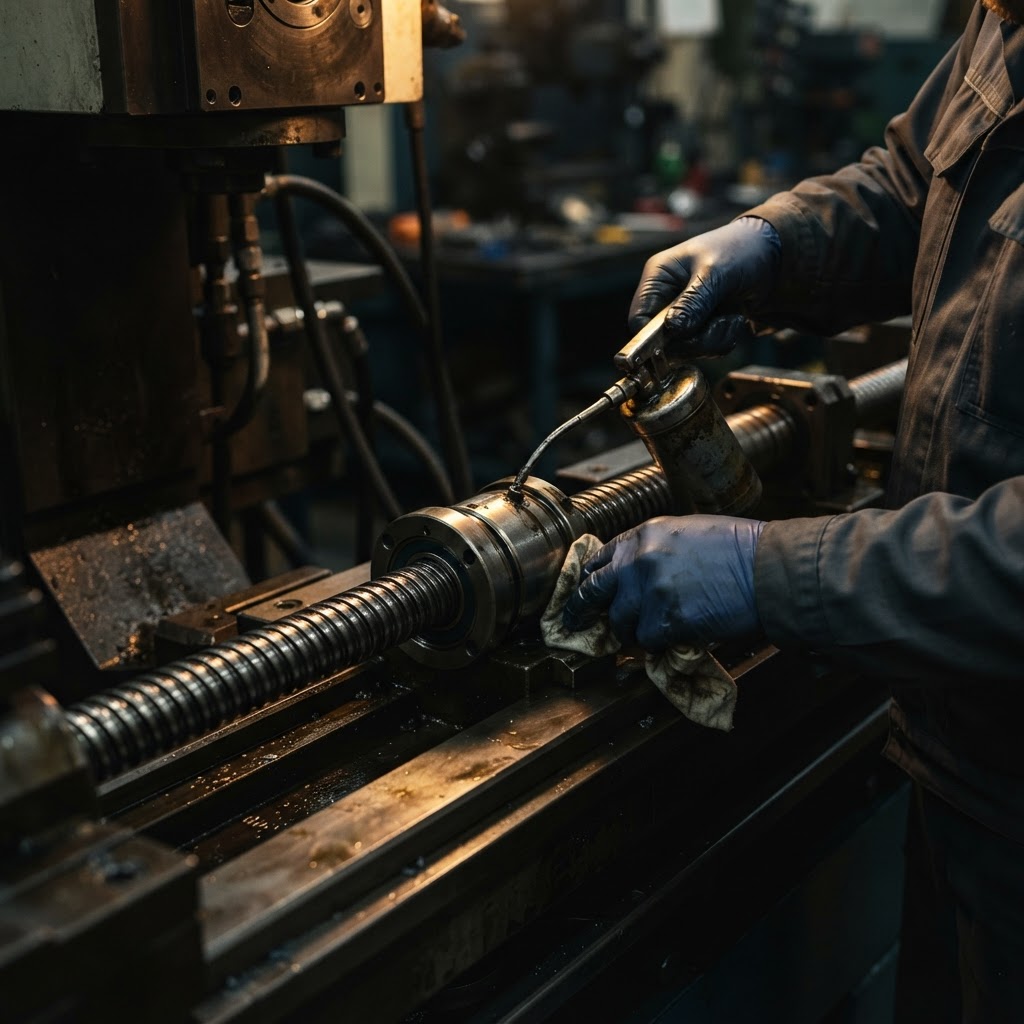
For instance, the Haas vector drive and spindle motor systems are finely tuned to provide maximum torque across a wide RPM range. However, this high performance generates significant heat, making the spindle fan, regenerative braking resistors, and cabinet cooling fans absolutely critical. If these cooling systems become choked with dust and oil mist, the heat build-up can quickly lead to expensive vector drive failure. Similarly, Haas machines utilize specialized lubrication systems—such as the Haas minimal-oil system or grease-lubricated linear guides—that require precise pressure settings and compatible lubricants to function correctly. Using the wrong grease or failing to verify system pressure can lead to dried-out ball screws and catastrophic axis damage.
By focusing on the specific engineering characteristics of your Haas machines, you can prevent these issues. Whether you operate in Menifee, Temecula, Murrieta, Corona, Riverside, Anaheim, or San Diego, local manufacturers know that keeping Haas equipment running accurately requires specialized diagnostic skills. Engaging experts who understand the nuances of these machines is vital to avoiding costly repairs and unplanned downtime. Our technical field staff at In-House CNC Service provides specialized on-site CNC machine repair and maintenance services to keep your Haas fleet operating at peak performance.
The Ultimate Haas-Specific Preventive Maintenance Checklist
To maximize the productivity and longevity of your Haas vertical mills, horizontal mills, and lathes, your maintenance program must cover several critical areas on a daily, weekly, monthly, and semi-annual basis.
1. Lubrication System Verification
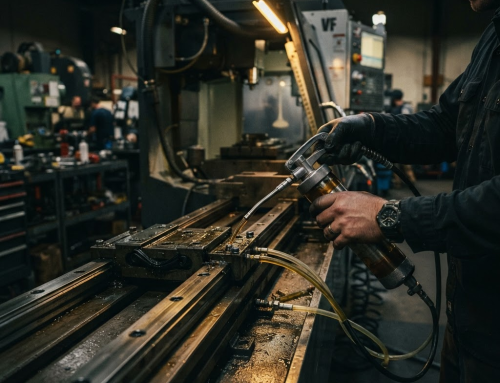
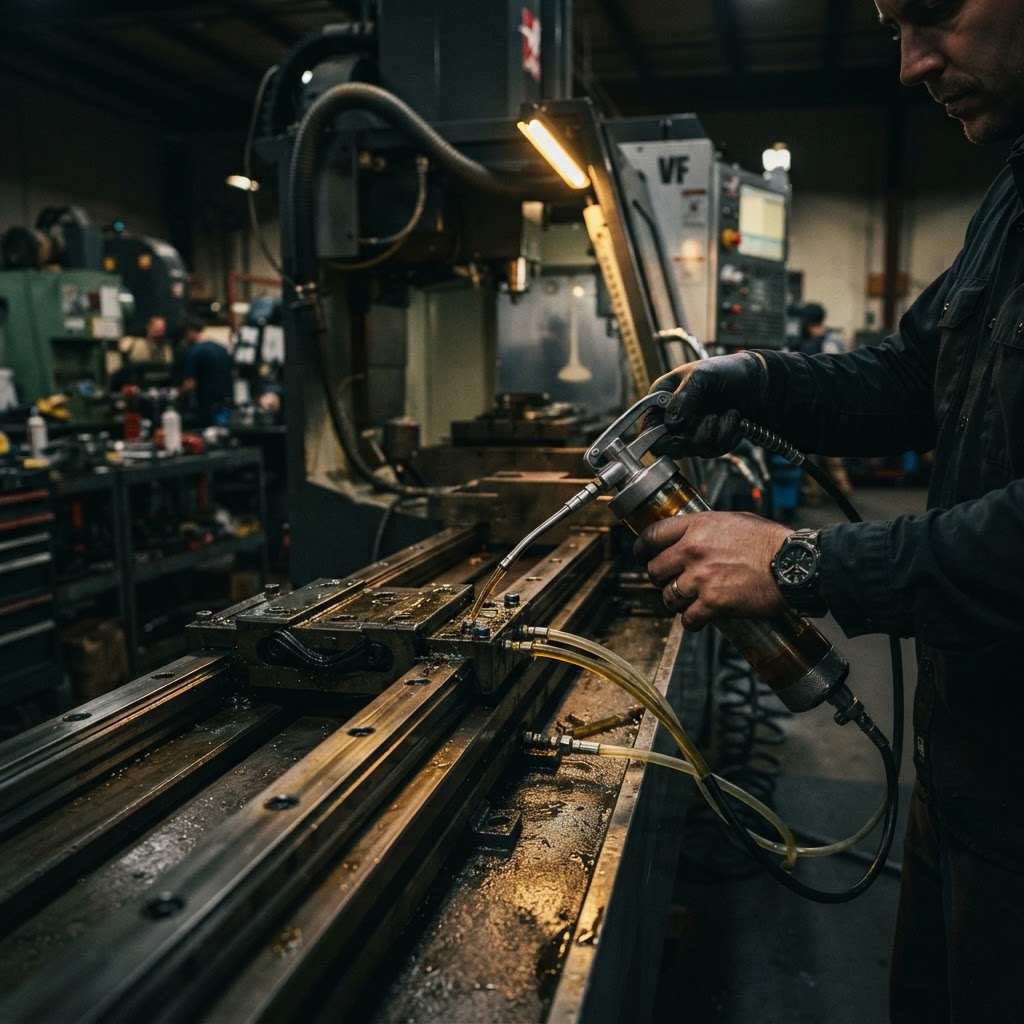
Haas machines rely on reliable, automated lubrication systems to protect high-speed linear guide trucks and ball screws. Modern Haas machines typically use a liquid grease system (such as Haas liquid grease or Mobil SHC PM 460), while older models rely on way lube oil (such as Mobil Vactra No. 2).
- Daily check: Verify that the lube reservoir is full and that the system is successfully pressurizing and cycling during machine operations. Do not ignore low-lube alarms, as even brief periods without lubrication can cause severe scoring.
- Monthly check: Inspect all lube lines, distribution manifolds, and copper metering valves for cracks, clogs, or leaks. A single blocked metering valve can starve an axis of lubrication, causing metal-on-metal wear that ruins guide rails in a matter of weeks and requires an expensive rebuild.
2. Coolant and Chip Management
Accumulated chips and stagnant coolant are major contributors to machine wear. Hot chips can damage way covers, while dirty coolant can degrade spindle seals and corrode precision surfaces.
- Daily check: Clean chips from the way covers and enclosure walls. Check the coolant concentration level using a refractometer and top off with the correct water-to-concentrate ratio. Never guess the concentration, as weak coolant leads to rust.
- Weekly check: Clean the coolant tank intake screen and remove tramp oil using an oil skimmer. Tramp oil blocks oxygen, leading to anaerobic bacteria growth, rancid odors, and skin irritation for your operators.
- Semi-annual check: Drain and thoroughly clean the coolant tank. Flush the coolant lines and clean the internal chip conveyor or auger system to prevent binding.
3. Spindle and Axis Backlash Calibration
Precision machining requires minimal spindle runout and zero axis backlash. Over time, heavy machining forces cause mechanical wear that degrades these tolerances.
- Spindle runout: Regularly inspect the spindle taper for “fretting” or scoring. Measure runout using a test indicator and precision arbor. If you detect excessive runout, bearing noise, or high-vibration harmonics, a professional spindle rebuild and replacement may be necessary to restore surface finish quality and part accuracy.
- Backlash compensation: Measure axis backlash using a dial indicator. Adjust the backlash compensation parameters in the Haas control to maintain positioning accuracy, and inspect ball screw support bearings for wear.
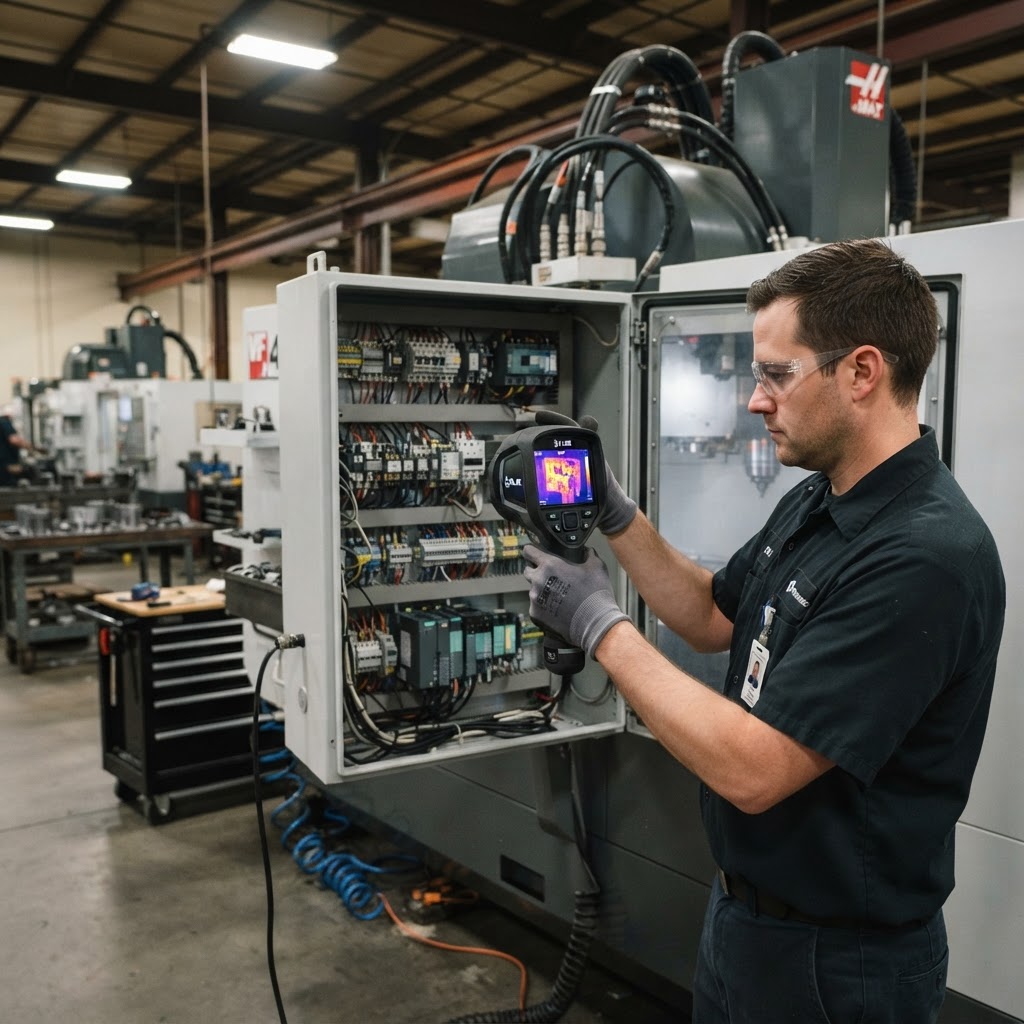
4. Electrical Cabinet and Vector Drive Maintenance
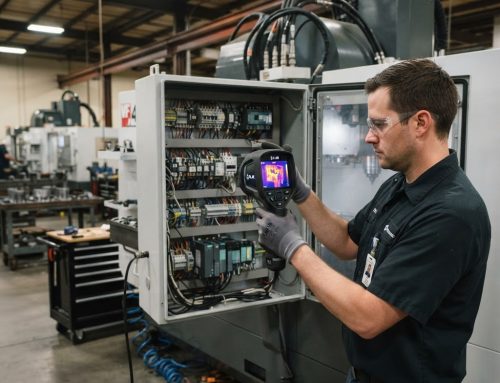
The Haas control cabinet is the brain of the machine. It must be kept cool, dry, and free of dust.
- Air filters: Clean or replace the cabinet air filters monthly. Overheating is a primary cause of drive and power supply failures.
- Connections: During scheduled service, verify that all terminal connections are tight and that there are no signs of thermal damage on contactors or relays. Check the backup battery on the main processor board to ensure parameters are not lost during power outages.
How In-House CNC Service Approaches This
At In-House CNC Service, led by founder Jason Wutzke and based in Menifee, CA, we specialize in high-quality, on-site Haas service. Our technicians bring years of practical, hands-on Haas service experience directly to your shop floor. We don’t just run through a generic checklist; we understand the common failure modes of Haas machines and focus our diagnostics where they matter most.
When you sign up for a Haas preventative maintenance contract with us, we perform a deep, comprehensive service on your Haas fleet. Our on-site process includes:
- Checking axis lubrication pressures and inspecting individual lube lines for physical damage or blockages.
- Inspecting way covers and replacing worn wiper blades to prevent chips from migrating to the linear guides.
- Verifying spindle drawbar pull force using a specialized gauge to ensure secure tool retention and prevent tool crash hazards.
- Running geometric alignment checks, checking leveling pads, and testing backlash on X, Y, and Z axes.
- Cleaning electrical cabinets, inspecting vector drives for signs of capacitor wear, and verifying battery backup voltage.
We compile a detailed diagnostic report for every machine, noting any worn parts, abnormal vibrations, or parameter adjustments. This transparency allows you to make informed decisions and schedule minor repairs during planned maintenance windows, rather than dealing with catastrophic breakdowns mid-production.
The High Cost of Neglect vs. Proactive Haas PM
Many shop owners view preventative maintenance as an optional expense, but the math tells a very different story. The cost of a structured PM contract is a fraction of the expense associated with emergency repairs. For example, replacing a seized axis ball screw or rebuilding a damaged linear guide can cost thousands of dollars in parts and labor, not to mention days of lost production. A simple blocked lube line, if caught during a routine PM check, can be replaced in minutes for a nominal cost.
By investing in professional preventative maintenance, you extend the productive life of your Haas machines, preserve their resale value, and ensure consistent part quality. Your operators can run parts with confidence, knowing the machine is structurally and electronically sound. It is the most reliable way to maintain a highly profitable, efficient shop floor in Southern California’s demanding manufacturing market.
A Tailored Approach for the Southern California Haas User Base
Southern California is home to one of the largest concentrations of Haas CNC machines in the world. Our region has a diverse manufacturing base where speed and reliability are paramount. Whether you run high-mix, short-run jobs or continuous, high-volume production, your machines are subjected to heavy loads and strict production schedules. We customize our Haas preventative maintenance protocols to match your exact shop environment and machine ages.
Our technicians are deeply familiar with the legacy Haas systems from the 1990s and 2000s as well as the latest Next Generation Control (NGC) machines. This broad expertise ensures that whether you are operating an older Haas VF-0 or a brand new UMC-750 five-axis machine, we have the specialized knowledge, diagnostic tools, and parts resources to keep your equipment running with factory-level precision. When you work with In-House CNC Service, you are choosing a partner who values your shop’s uptime as much as you do.
Partner with Southern California’s Haas Maintenance Experts
Do not wait for an alarm code or a broken tool changer to disrupt your production schedule. Our Menifee-based team is ready to bring our specialized Haas diagnostics and repair expertise directly to your facility. Whether you operate a single VF-series mill in Riverside or a large production facility in Los Angeles or Orange County, we are your local partners for reliable, on-site CNC service. Contact us today to schedule a comprehensive preventive maintenance assessment for your Haas machines and ensure your operations stay running at peak performance.