Vertical CNC Machine Preventative Maintenance Checklist
Table of contents
Share Post
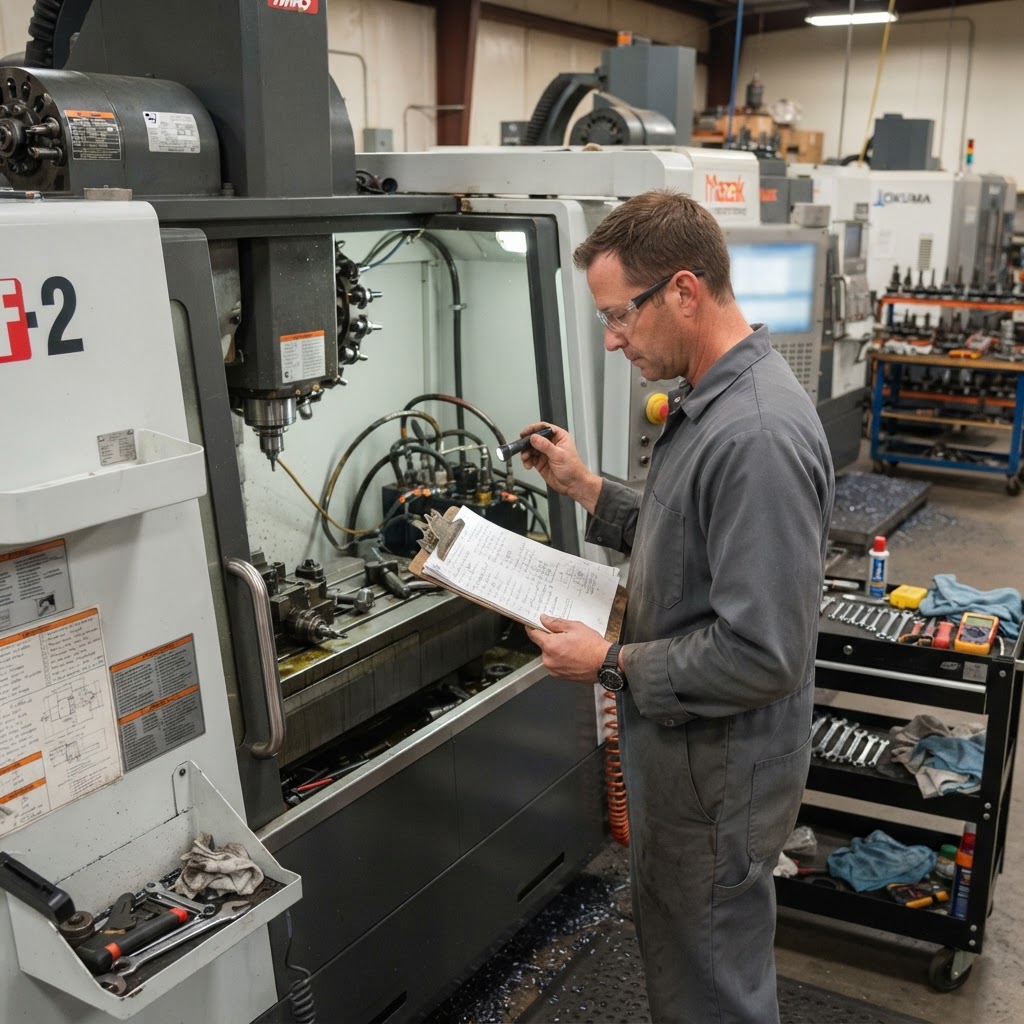
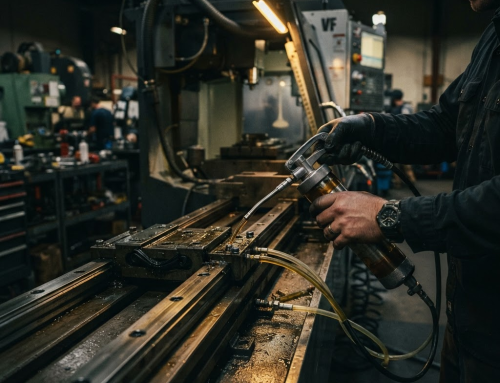
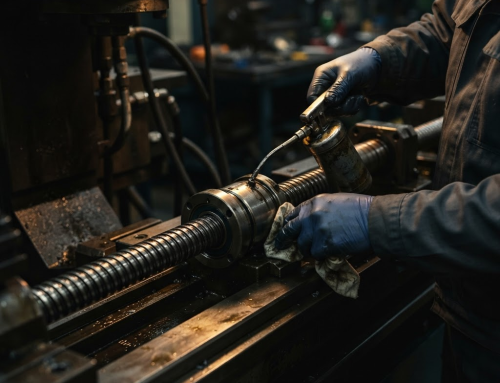
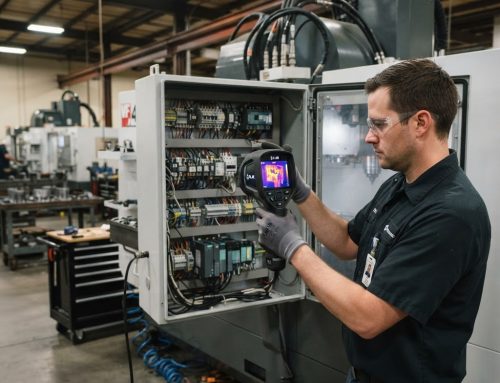
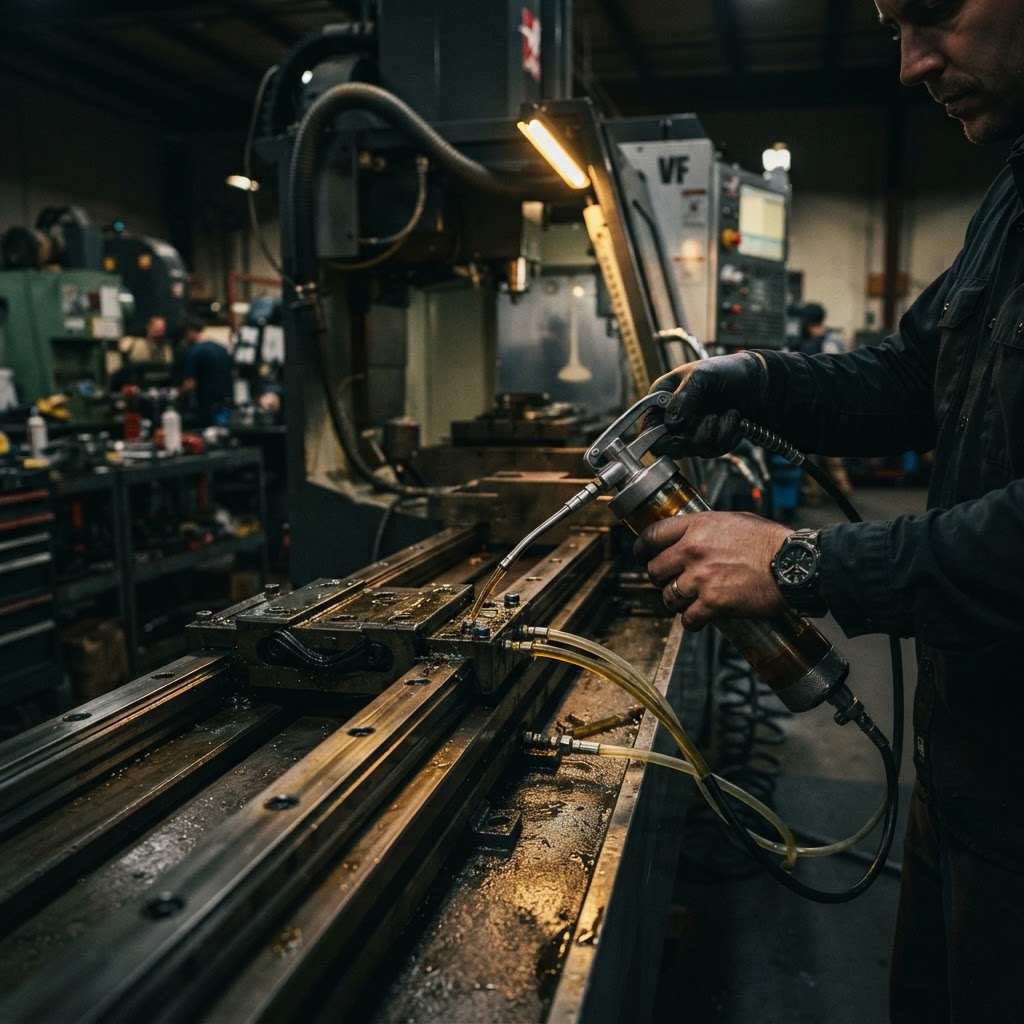
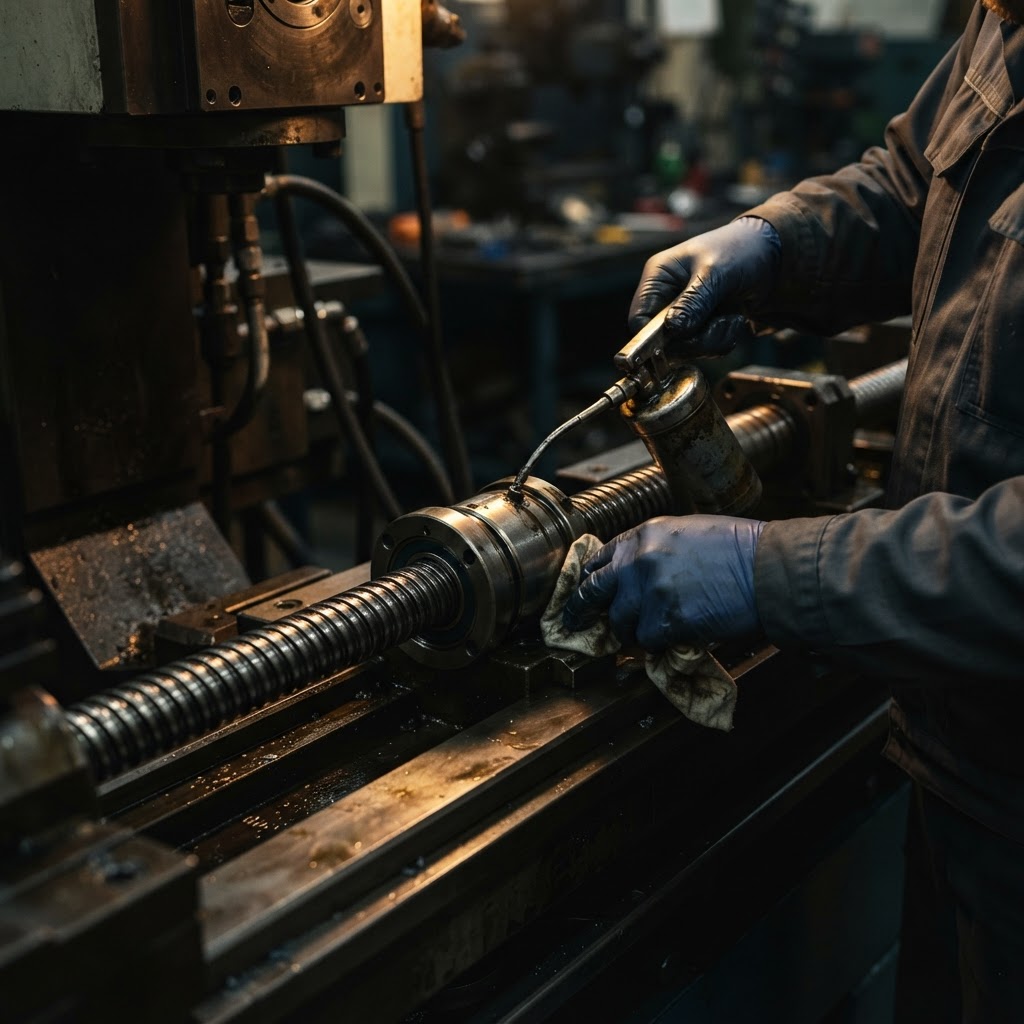
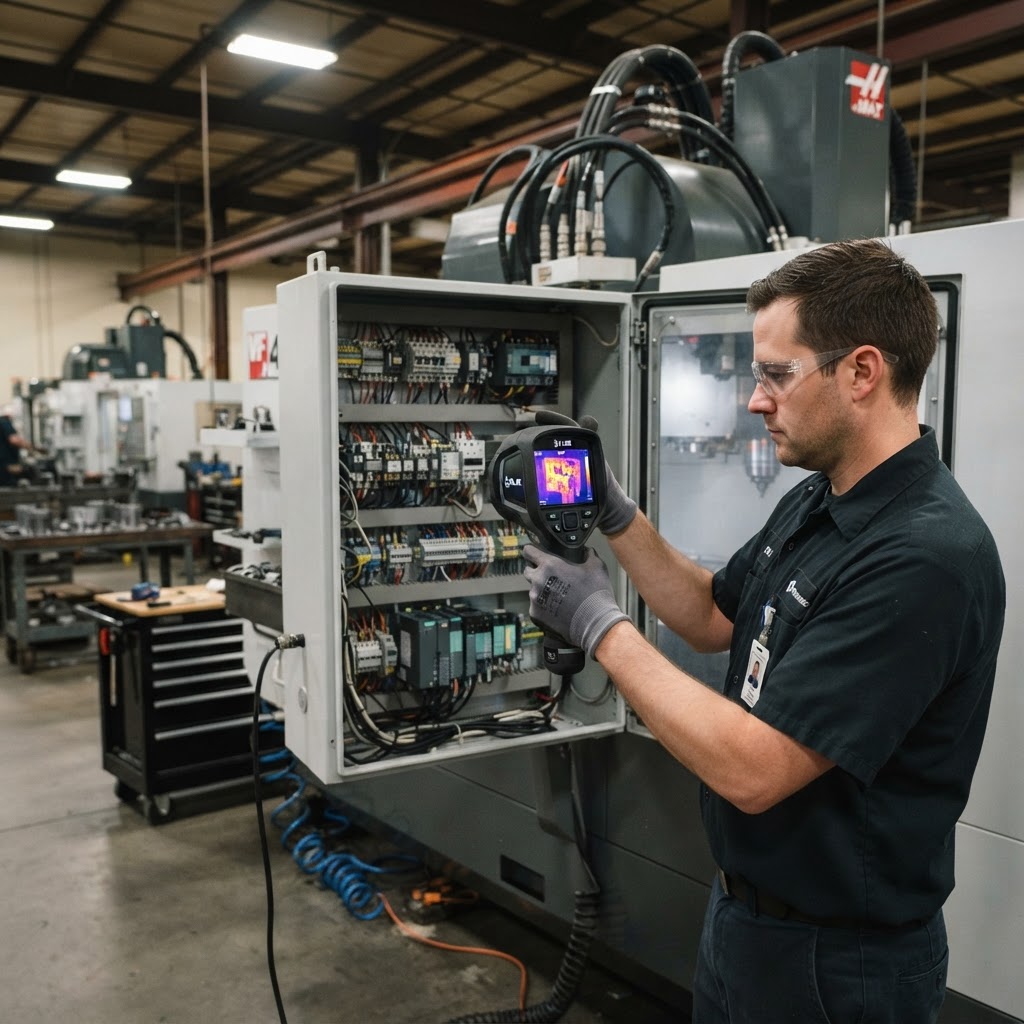
n# Vertical CNC Machine Preventative Maintenance ChecklistnnRegular preventative maintenance (PM) is the difference between a vertical machining center (VMC) that holds tight tolerances for years and one that suffers unexpected, expensive failures mid-run. For machine shops in Southern California, where production schedules are demanding and aerospace-grade precision is often the standard, a structured CNC PM checklist is an essential operational tool. nnBy implementing daily, weekly, monthly, and annual maintenance procedures, operators and maintenance technicians can prevent premature spindle failure, axis binding, and critical geometry drift. Below is a structured checklist designed specifically for vertical CNC machines.nn—nn## 1. Daily PM Checklist (Operator Level)nnDaily checks are the first line of defense against machine wear. These tasks should be performed at the start or end of every shift and recorded in the machine’s maintenance log.nn* **Lubrication and Fluid Level Verification:**n * **Way Lube Reservoir:** Verify the way lube level is sufficient. If low, top it off with the manufacturer-specified lubricant (typically ISO VG 68 or equivalent). Never let the reservoir run dry, as this can cause immediate stick-slip on box ways or linear guides.n * **Spindle Air-Oil Reservoir:** For high-speed spindles using air-oil lubrication, check the oil levels and confirm the oil-drip rate is consistent through the sight glass.n * **Coolant Concentration & Level:** Check the coolant level in the sump. Use a refractometer to measure coolant concentration (typically 8% to 12% for general machining, or higher for aerospace alloys). Improper concentration leads to tool wear, rust, or bacterial growth.n* **Air Pressure and Air Filter Regulator:**n * Verify the incoming pneumatic pressure meets the machine’s specification (usually between 80 to 100 PSI / 5.5 to 6.8 bar).n * Check the air filter regulator for moisture accumulation. Drain any water from the trap to prevent moisture from reaching pneumatic valves, spindle purges, or tool-changer cylinders.n* **Debris and Chip Clean-Up:**n * Clean the way cover wipers of metal chips and fine debris. Accumulated chips can get behind the wipers, scoring the precision-ground linear guides or box ways.n * Clear chips from the tool changer pocket, arm, and tool carousel.n * Clean the spindle taper using a dedicated taper cleaning tool (wiper) to remove fine chips, grease, or coolant residue.n* **Visual Inspection:**n * Verify there are no visible leaks of hydraulic fluid, coolant, or lubrication oil under the machine.n * Check for alarm codes on the CNC controller before starting production.nn—nn## 2. Weekly PM ChecklistnnWeekly maintenance focuses on filtration systems, mechanical interfaces, and safety interlocks that require more detailed cleaning and inspection.nn* **Coolant and Chip Filtration Cleaning:**n * Remove and clean the coolant sump intake screen and chip baskets. Debris buildup restricts coolant flow and starves the coolant pump, causing pressure drops.n * Clean and inspect the conveyor belt or chip auger drive chain. Remove any packed chips that could jam the mechanism.n* **Electrical Cabinet Air Filter Maintenance:**n * Inspect the cooling fan filters on the electrical cabinet.n * Remove the filters and clean them with low-pressure compressed air or wash them with mild detergent if they are washable. High internal temperatures inside the electrical cabinet can cause overheat alarms or premature failure of expensive servo drives and power supplies.n* **Spindle and Tool Changer Lubrication:**n * Clean and lightly grease the tool changer arm pivot points, slide rails, and retention knob grippers. Use the grease recommended by the manufacturer.n * Inspect the tool retention knob socket in the spindle for cleanliness and wear.n* **Safety Interlock Checks:**n * Test all safety door interlocks, limit switches, and emergency stop buttons. Verify that opening the enclosure door immediately stops spindle rotation and axis motion.nn—nn## 3. Monthly PM ChecklistnnMonthly tasks target mechanical wear, alignment checks, and deeper lubrication system inspections that protect the core structural components of the vertical CNC machine.nn* **Way Cover and Line Inspection:**n * Fully retract each axis (X, Y, and Z) to inspect the condition of the telescoping way covers. Look for dented sections, torn wiper seals, or misaligned plates. Replace any worn seals immediately to keep coolant and chips out of the ballscrew housing.n * Check for pooling lube oil on the ways, indicating that lubrication lines are delivering oil correctly to all slides and ballscrew nuts.n* **Lubrication Distribution Test:**n * Manually cycle the automatic lubrication pump and verify that pressure builds correctly and drops slowly. A sudden drop in pressure usually indicates a broken or cracked lubrication line, while failure to reach pressure indicates a clogged filter or faulty pump.n* **Axis Backlash and Gib Adjustments:**n * Perform a quick backlash check on each axis using a dial indicator. If backlash exceeds the manufacturer’s specification, it may indicate ball screw wear, loose coupling insert elements, or the need for gib adjustments on box-way machines.n* **Spindle Runout and Taper Inspection:**n * Measure spindle taper runout using a test bar and a high-precision dial indicator (0.0001″ or 2-micron resolution). Excessive runout (above 0.0002″ or 5 microns) causes poor surface finishes, rapid tool wear, and premature spindle bearing failure.n * Check the spindle drawbar tension using a force gauge if available. Low retention force allows the tool holder to fretted or movement under heavy cuts, leading to severe taper damage.nn—nn## 4. Semi-Annual and Annual PM ChecklistnnSemi-annual and annual preventative maintenance checks are comprehensive inspections that often require specialized diagnostic tools or the assistance of a certified CNC technician. These steps calibrate the machine back to its original factory tolerances.nn* **Laser Interferometer and Ballbar Testing:**n * **Heuristic Geometry Check:** Perform a circularity and geometry test using a telescoping ballbar system (such as Renishaw). This test diagnoses servo mismatch, scaling errors, squareness errors, and backlash under dynamic conditions.n * **Laser Calibration:** Perform laser interferometer testing to measure and compensate for pitch error and positioning accuracy across the full travel of the X, Y, and Z axes.n* **Spindle and Motor Calibration:**n * Inspect and calibrate the spindle orientation sensor (encoder feedback) to ensure seamless tool changes.n * Check the spindle motor cooling jacket and lines for coolant flow. Flush the cooling lines if necessary to remove scale buildup that hinders heat dissipation.n * Inspect spindle drive belts for cracks, tension, and alignment. Replace belts as a set if wear is present.n* **Electrical and Grounding Verification:**n * Power down the machine and check all electrical terminals in the main cabinet for tightness. High vibrations during machining can loosen screw terminals, leading to intermittent power drops, communication faults, or electrical shorts.n * Verify the ground resistance of the machine. Proper grounding prevents electrical noise from interfering with delicate encoder signals.n* **Hydraulic System Overhaul:**n * Change the hydraulic reservoir oil and replace all pressure and suction filters.n * Check and calibrate hydraulic system pressure (used for spindle counterbalances, tool unclamping, and chucking mechanisms).n* **Leveling and Alignment Correction:**n * Verify the machine’s level using a master precision level (0.0005″/10″ or 0.02mm/m sensitivity). Over time, concrete foundations settle, twisting the machine bed. A twisted bed introduces taper errors and geometric inaccuracy in machined parts. Re-leveling correction must be performed regularly.nn—nn## The Value of Professional CNC PM InspectionsnnWhile machine operators can handle daily and weekly tasks, deep geometry checks, spindle calibrations, and electronic diagnostic troubleshooting require professional expertise. For machine shops in Southern California, In-House CNC Service provides complete on-site preventative maintenance packages. nnOur factory-trained technicians analyze spindle runout, perform geometry and axis alignment checks, inspect lubrication systems, and identify hidden mechanical wear before it causes catastrophic failures. Keeping your vertical machining centers running with maximum accuracy pays dividends in part quality, reduced scrap rates, and long-term machine life.nn**Need a professional PM inspection or help setting up your shop’s maintenance schedule? Contact In-House CNC Service at (951) 540-4820 or visit in-housecnc.com to schedule a certified technician today.**nn