CNC Lubrication Guide: What, Where, and How Often
Share Post
Introduction to CNC Machine Lubrication
A CNC machine is an assembly of tightly integrated mechanical systems designed to operate under intense physical forces at high speeds. Friction is the constant enemy of this precision. Without proper lubrication, the thermal expansion, mechanical wear, and friction-induced drag within these systems will rapidly degrade machining accuracy, damage critical components, and lead to catastrophic mechanical failures. This CNC machine lubrication guide covers what lubricants to use, where to apply them, and how often to perform maintenance to keep your machines running at peak efficiency.
Way Lubrication: Turcite vs. Linear Rails
The mechanical slides of a CNC machine are built using one of two distinct designs: friction-based box ways (often utilizing a specialized low-friction polymeric material called Turcite) or rolling-element linear guide rails. Each design has unique physical characteristics and distinct lubrication requirements.
Box Ways and Turcite: Box ways provide a massive physical surface area of contact, making them exceptionally rigid and highly dampening, which is ideal for heavy-duty metal removal. To prevent “stick-slip” (the tendency of a heavy axis to jerk rather than slide smoothly at slow speeds), box ways rely on a highly specialized oil that can maintain a continuous hydrodynamic film under high loads. Way oil with specialized tackifiers (such as ISO VG 68 or Mobil Vactra No. 2) is designed specifically for this purpose. The tackifiers help the oil cling to vertical surfaces and resist being washed away by high-pressure cutting coolants.
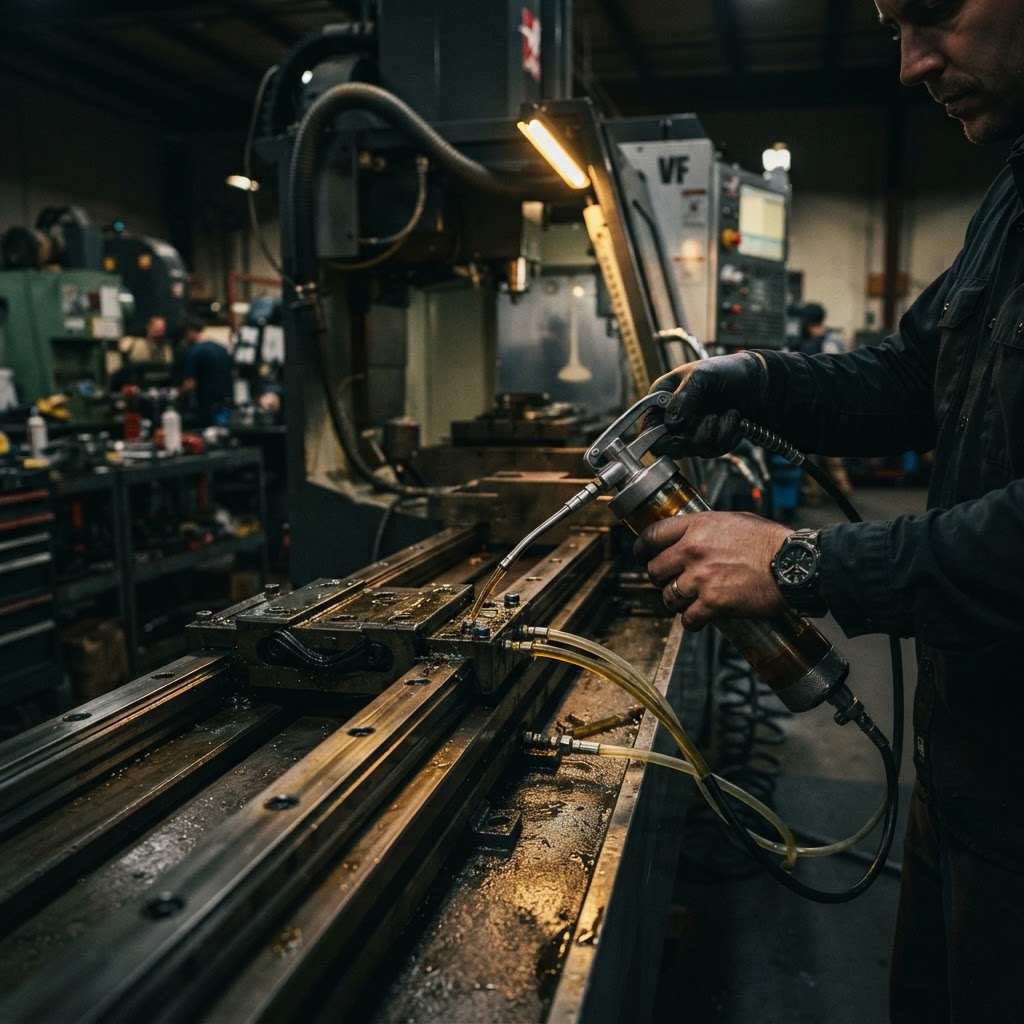
Linear Guide Rails: Linear rails utilize recirculating ball or roller bearings housed within carriages that roll along precision-ground steel rails. They feature much lower friction and are capable of incredibly high rapid speeds. Linear guide carriages are lubricated either via the machine’s automatic oil distribution system (using ISO VG 68 way lube) or manually using specialized lithium-based greases (such as Klu00fcber, Mobilux EP 2, or Alvania EP). Greasing should be performed every 100 to 500 operating hours using a manual grease gun applied to the grease nipples on each individual carriage.
Ballscrew Lubrication: Maximizing Motion Precision
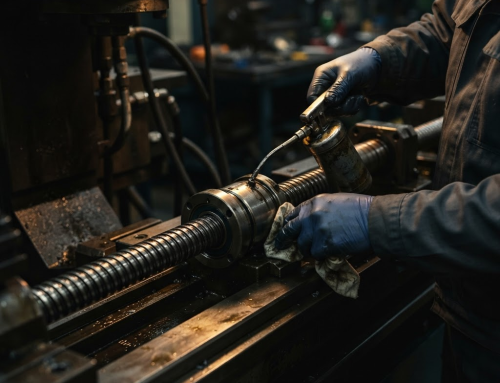
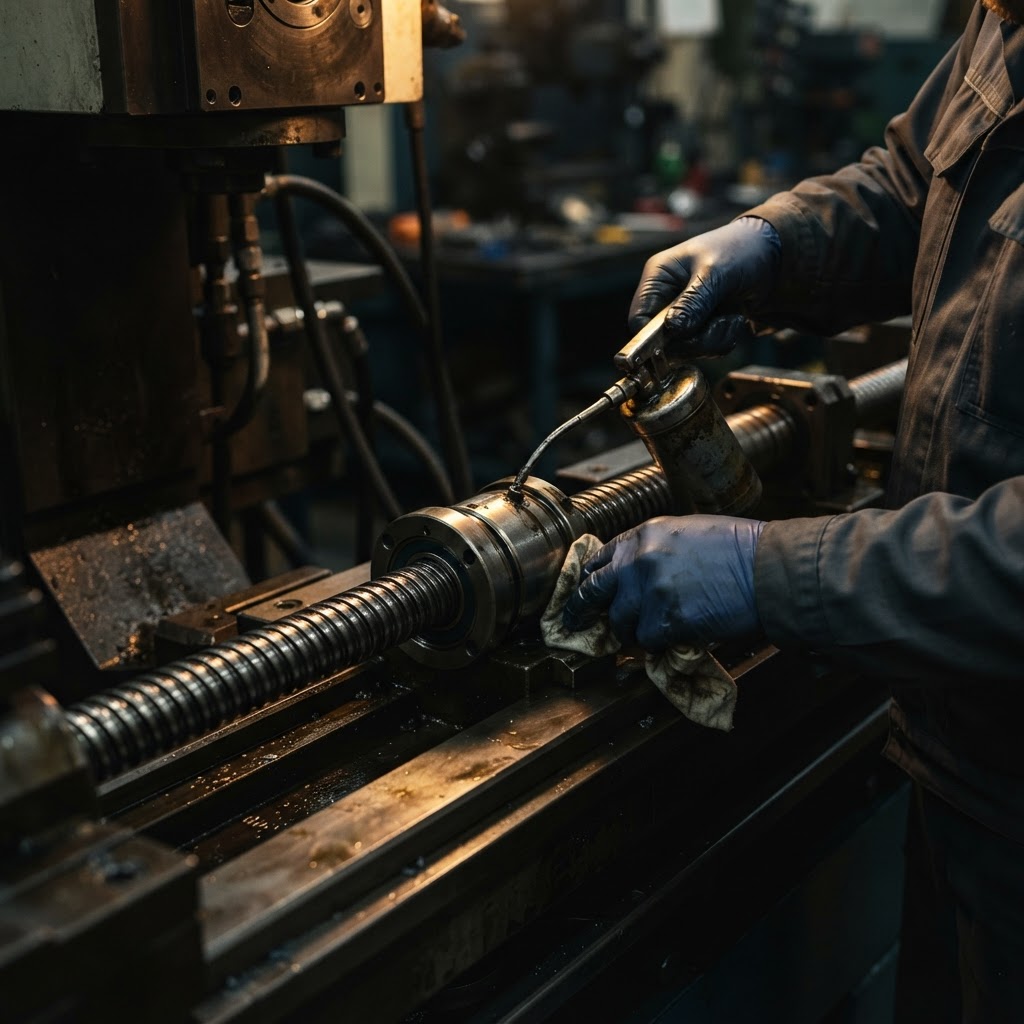
The ballscrew assembly is responsible for precise axial positioning. Just like linear guides, the recirculating steel balls inside the ball nut require continuous lubrication to prevent localized heating and wear. In most modern CNC machines, the ballscrew is tied into the automatic way lube system and receives a metered pulse of ISO VG 68 oil every few minutes. In manual-grease setups, a specialized high-speed synthetic grease must be manually injected every 500 hours. Failing to lubricate the ballscrew leads to rapid preload loss, resulting in mechanical backlash, dimensional drift, and poor surface finishes.
Spindle Bearing Lubrication: Keeping Cool under High RPM
The spindle is the highest-speed component of a CNC machine, often rotating at speeds ranging from 6,000 to over 30,000 RPM. Under these extreme rotational speeds, standard greases or heavy way oils would generate intense fluid friction, leading to rapid heat build-up and thermal expansion that would quickly seize the precision ceramic or steel angular-contact spindle bearings.
To avoid this, high-speed spindles utilize specialized lubrication techniques:
- Air-Oil Systems: This method uses a high-precision dosing pump to inject an incredibly minute, precisely metered droplet of ultra-light spindle oil (such as ISO VG 2 to ISO VG 10, or Mobil Velocity No. 3) into a continuous stream of dry, compressed air. The air stream atomizes the oil and delivers it directly to the spindle bearings, lubricating them while the expanding compressed air cools the assembly.
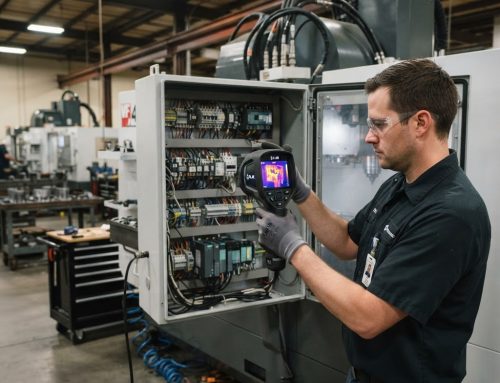
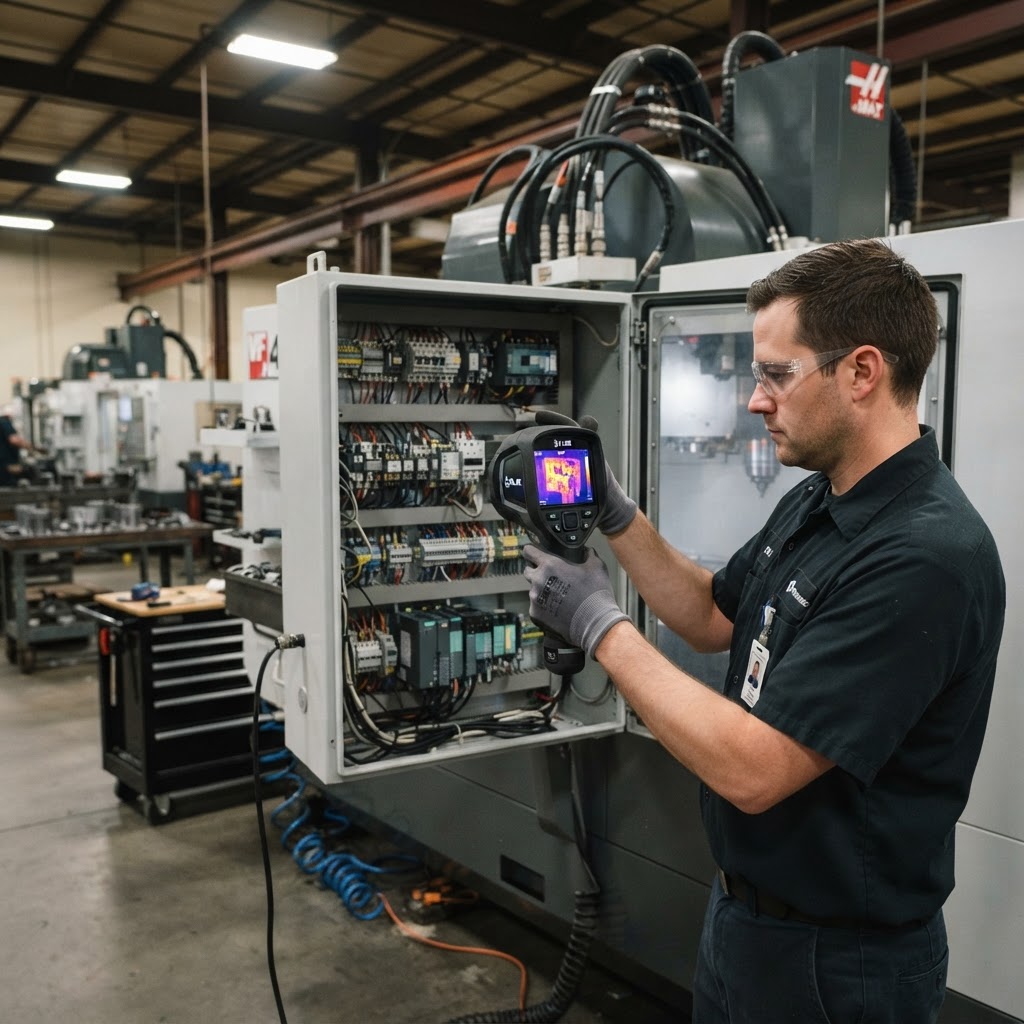
- Sealed Grease Bearings: Many modern CNC spindles are built with sealed-for-life bearings packed with an ultra-high-performance synthetic grease (such as Klu00fcber NBU 15). These spindles require no external lubrication maintenance during their operating life, though they must be monitored closely for thermal runaway and vibration using diagnostic tools.
Hydraulic and Pneumatic System Maintenance
The hydraulic system provides the immense physical force required for automatic tool changers, chuck clamping, spindle braking, and counter-balance systems. This system requires high-quality hydraulic oil (typically ISO VG 32 or ISO VG 46 with anti-wear additives, such as Mobil DTE 24/25) that must be maintained under strict cleanliness standards.
Hydraulic maintenance includes checking the oil level daily, replacing the hydraulic filter element every 1,000 operating hours, and conducting a complete system flush and oil replacement every 2,000 to 4,000 operating hours (or annually). For pneumatic systems, which operate valves, air-blast nozzles, and tool release cylinders, an inline lubricator must be regularly filled with a light air tool oil (ISO VG 15 to 32) to prevent internal rubber seals and solenoids from drying out and cracking.
Automatic Lubrication System Maintenance and Common Failures
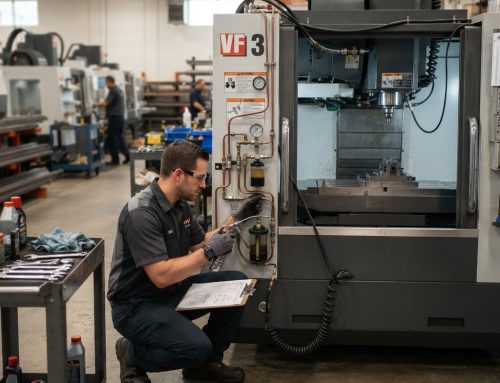
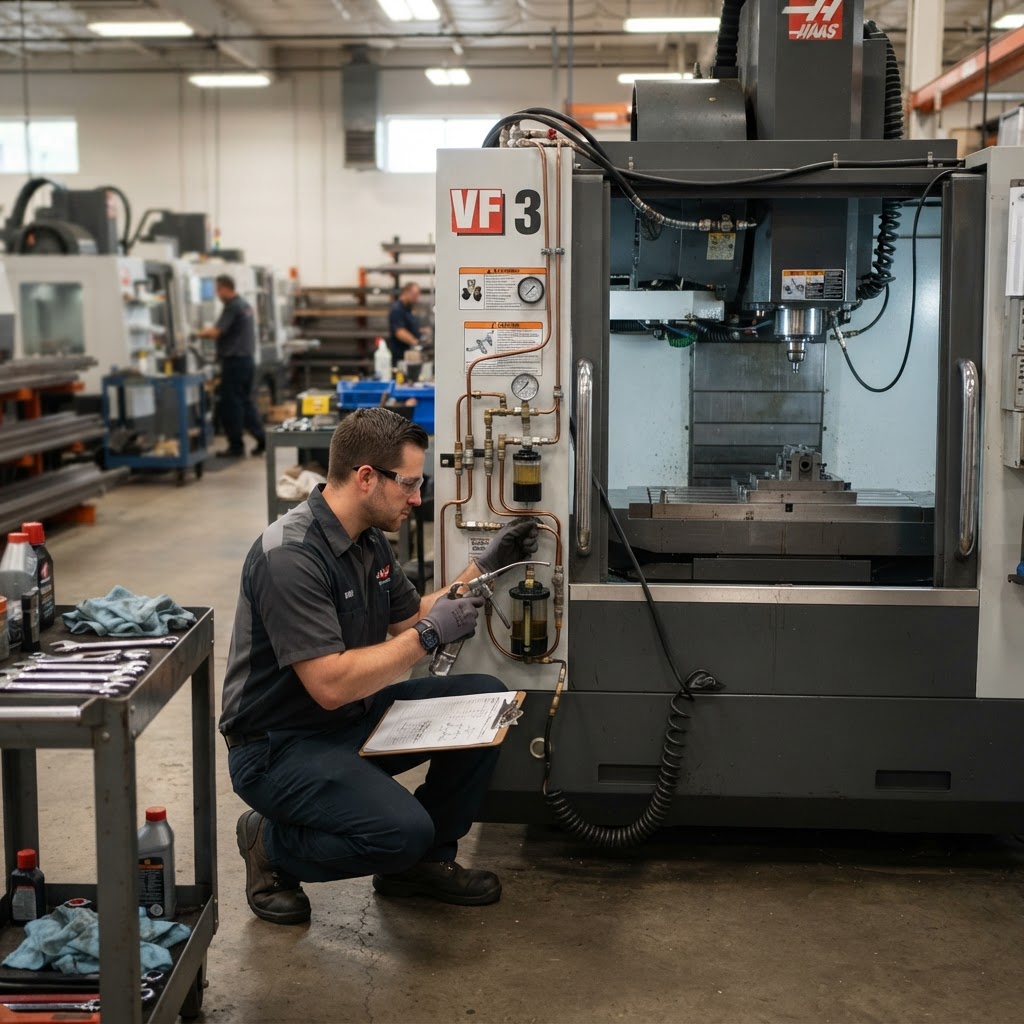
Most modern CNC machines utilize an automatic lubrication system consisting of an electric pump, a plastic or metal reservoir, and a network of progressive or positive-displacement injectors (metering valves) that distribute oil to various points on the axes.
This system is only effective if it is operating correctly, and it is a common source of neglected machine failures. Key maintenance steps include:
- Daily Reservoir Checks: Ensure the lube reservoir is filled with clean, manufacturer-specified oil. Never use cheap hydraulic oil or generic lubricants, as they lack the tackifiers required for way lubrication.
- Weekly Line Inspections: Inspect the flexible plastic distribution lines running to the moving axes. They are frequently struck by flying metal chips, which can slice the lines open and starve the carriage or ballscrew of oil while flooding the coolant tank.
- Replacing Clogged Metering Valves: Metering valves contain microscopic orifices that can easily clog over time due to contaminated oil or degraded lubricants. A single clogged valve will completely starve its assigned lubrication point, leading to rapid wear and a major repair bill, even though the overall lube pump is running fine. Technicians should verify that oil is physically arriving at every slide and ballscrew during periodic preventative maintenance visits.
On-Site CNC Lubrication & Repair Services in Southern California
Neglecting lubrication is the leading cause of premature mechanical wear and structural failure in CNC machinery. At In-House CNC Service LLC, based in Menifee, CA, we provide thorough preventative maintenance and on-site CNC repair services designed to keep your shop running smoothly. Our team, led by owner Jason Wutzke, specializes in diagnosing and repairing faulty automatic lubrication systems, flushing contaminated reservoirs, replacing cracked or cut oil lines, and replacing clogged metering valves across Haas, Fanuc, and other major machine platforms.
We serve manufacturers throughout Southern California, including Riverside, San Diego, Orange, and Los Angeles counties. Let us help you protect your machines and prevent costly component failures with a professional, comprehensive lubrication system audit. Call us today at (951) 540-4820 or visit in-housecnc.com to secure your machinery’s performance and longevity.